Kia ora and Happy New Year from New Zealand!
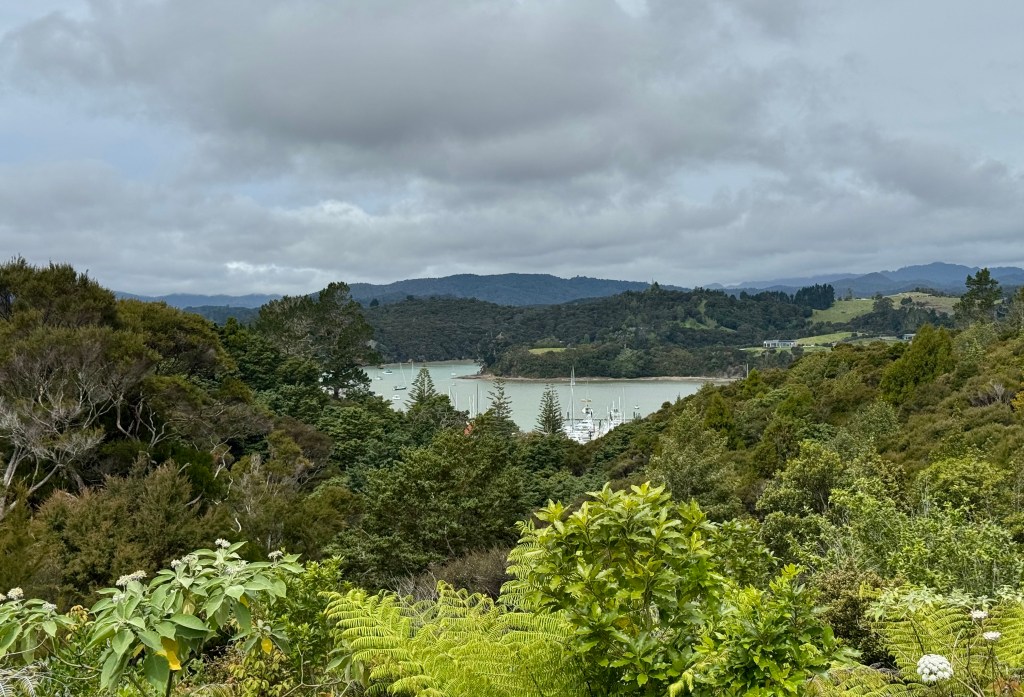
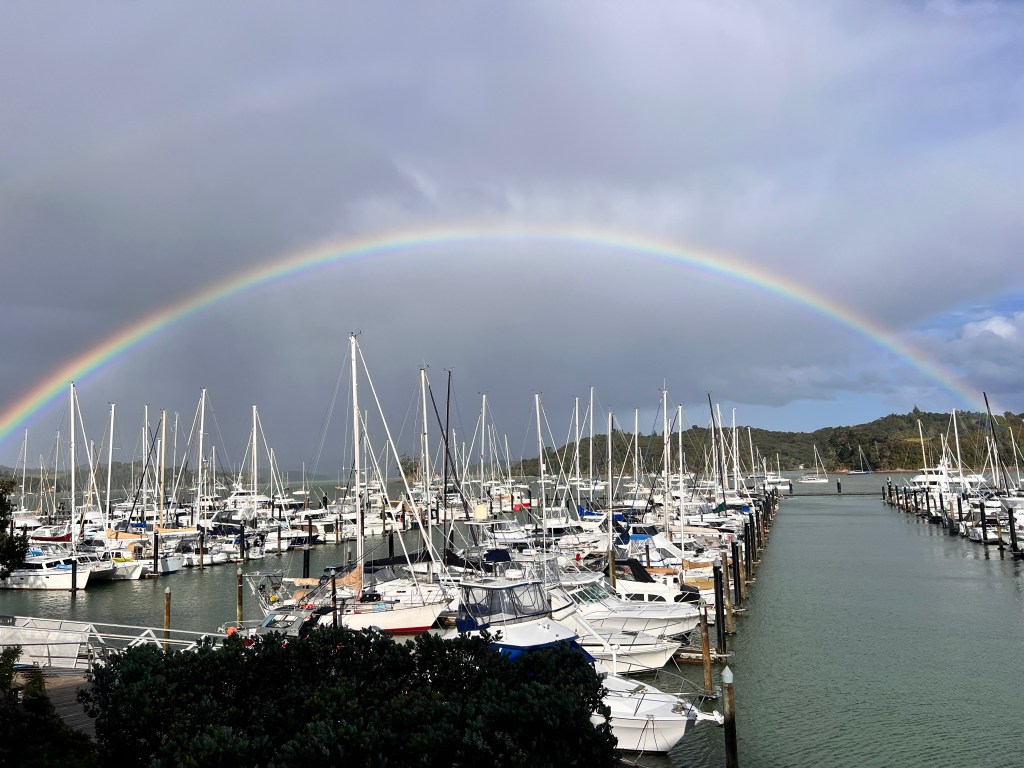
After our friends and crew left, we started to explore some surrounding areas on the North Island. The closest town is called Paihia and we were told about a great 5-mile walk along the shoreline that eventually leads you to town. Paihia is a charming and popular summer spot for Kiwi’s. It’s a bit touristy with lots of shops and restaurants. We were hungry after the long walk and enjoyed lunch and some homemade fudge from one of the shops. We chose to opt for a cab instead of walking 5 miles back. Our conclusion is we’re glad to have this lovely town nearby and know we will be back!
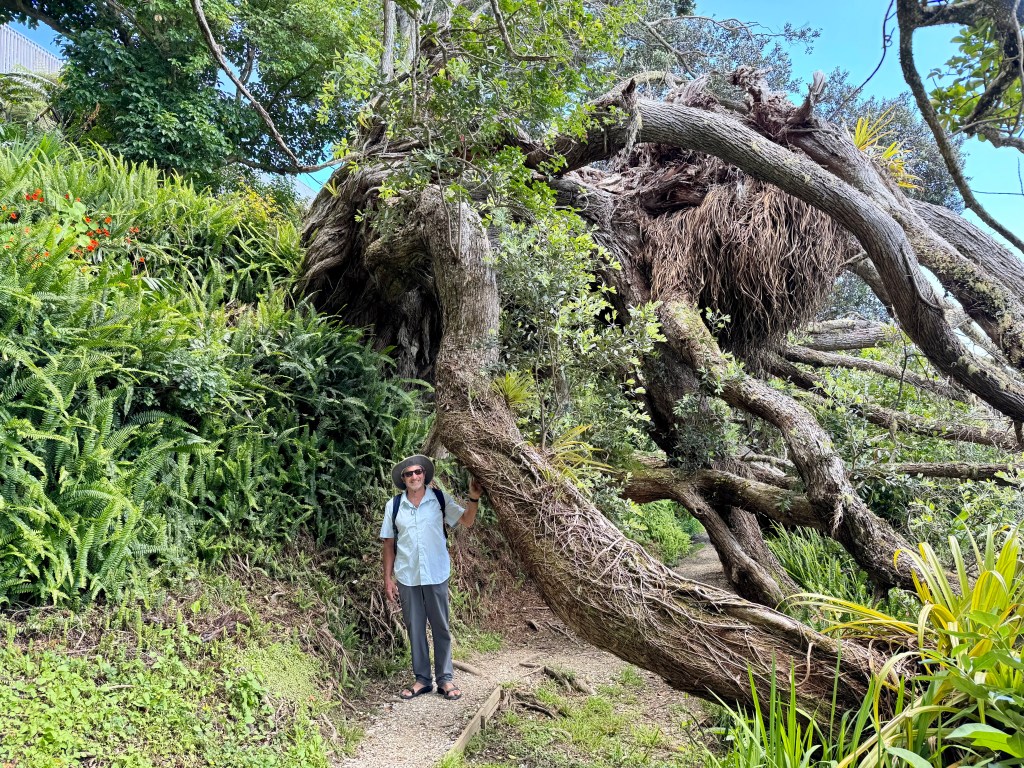
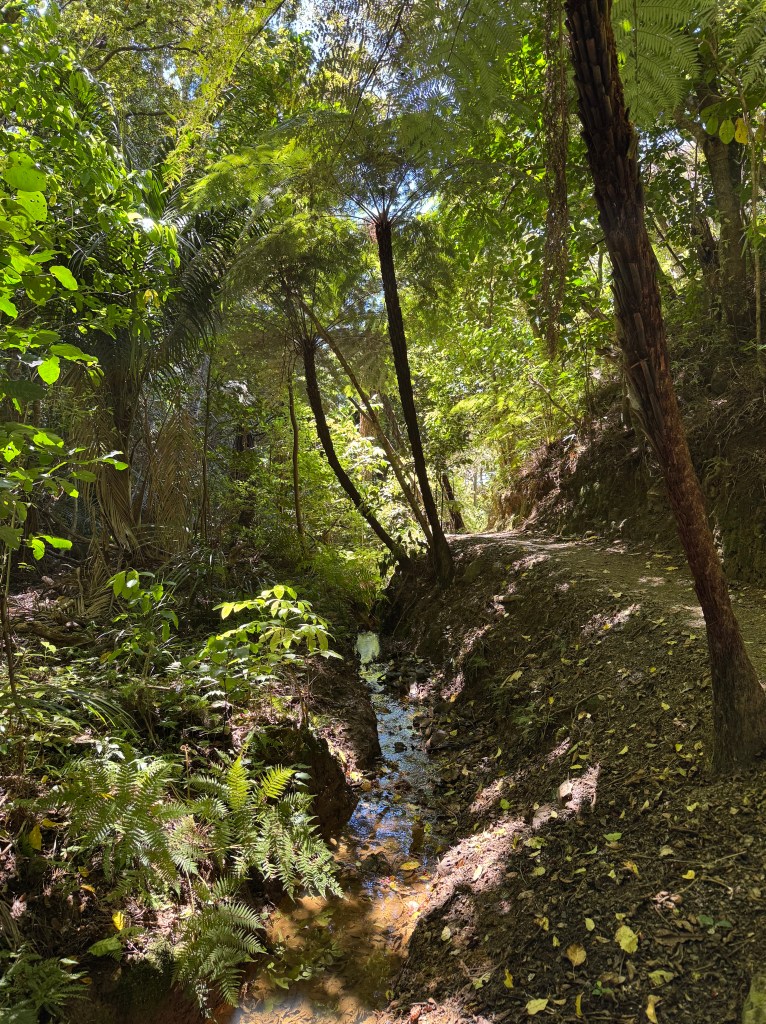
Interesting details about Paihia:
- The town is famously known as the location where the Treaty of Waitangi was signed in 1840, a pivotal event in New Zealand’s history.
- In the 1820s, missionaries Henry and William Williams established one of the earliest mission stations in Aotearoa (New Zealand) in Paihia.
- The missionaries built New Zealand’s first church here.
- The mission also set up New Zealand’s first printing press in 1835, which was used to print Bibles and, later, copies of the Treaty of Waitangi in Māori.
The population of Paihia was 1,623 in 2023. The town is a popular tourist destination, and its population swells significantly with visitors, especially during the summer months.
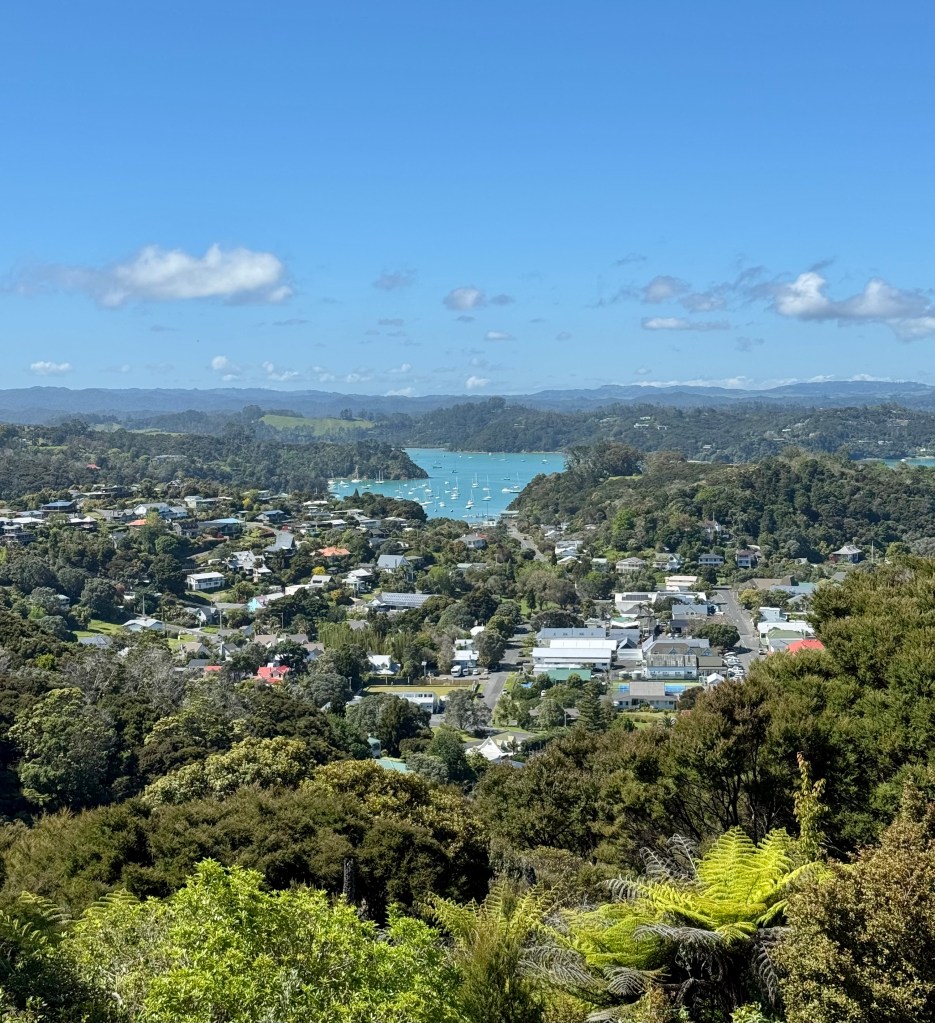
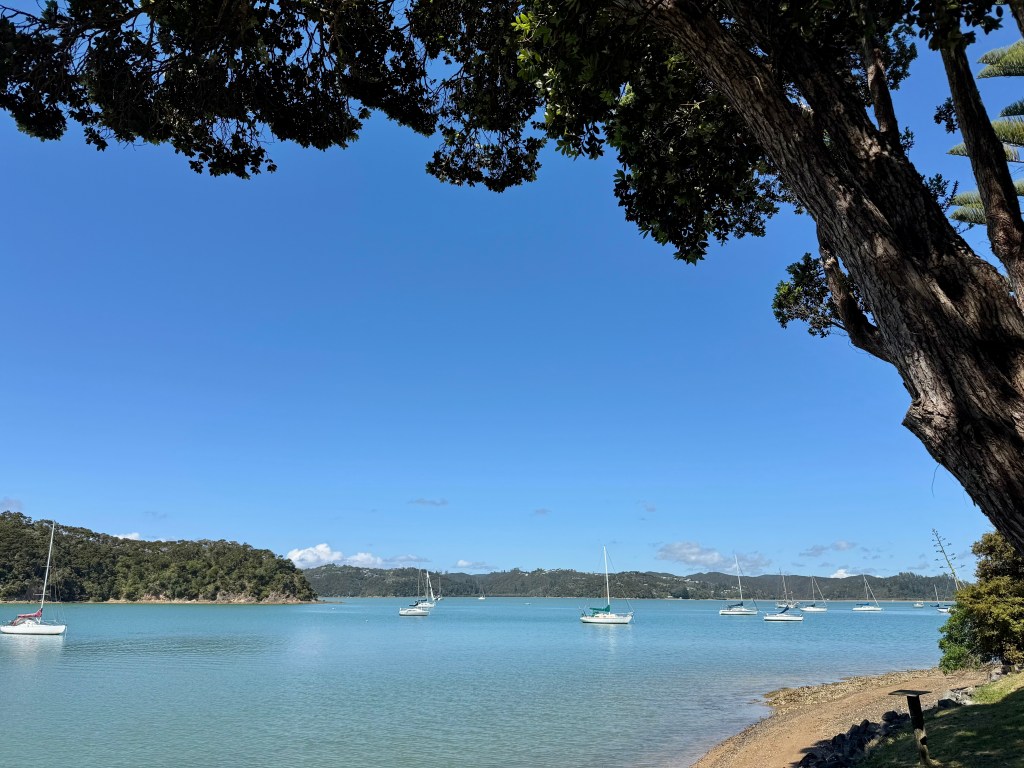
Another nearby town is Russell, smaller than Paihia but very picturesque. You can take a pedestrian/car ferry from Opua or Paihia. We drove over in our rented vehicle to explore more of the island. It’s a great spot and we highly recommend seeing Paihia and Russell, if ever in the area.
Interesting details about Russel
Russell, originally called Kororāreka, was New Zealand’s first European settlement and capital before the capital moved to Auckland in 1841. Since 1865, the capital has been Wellington. It was once known as the “Hell Hole of the Pacific” due to its reputation as a lawless whaling and trading port, but it is now a tranquil resort town known for its history, charming streets, and as a base for exploring the Bay of Islands.
Today, Russell is a charming resort town with a relaxed atmosphere, frequented by tourists. It is also a popular hub for game fishing, with fleets departing to catch marlin, tuna, and shark. Russell had a population of 798 as of the 2023 New Zealand census.

Another adventure included a drive to Cape Reinga, the northern most point of New Zealand. It was about a 3-and-a-half-hour drive from the marina. We stopped in Manganui for breakfast and again for dinner on our way back. Supposedly they have the ‘best’ fish and chips in New Zealand. We were later told by our cab driver that the ‘best’ rating was established 20 years ago and since then they have changed owners, and they are not as good as they used to be. Since it was the only place in town, we tried it, and it was very good but pricey. We think the publicity from 20 years ago is still paying off, hence the high cost.
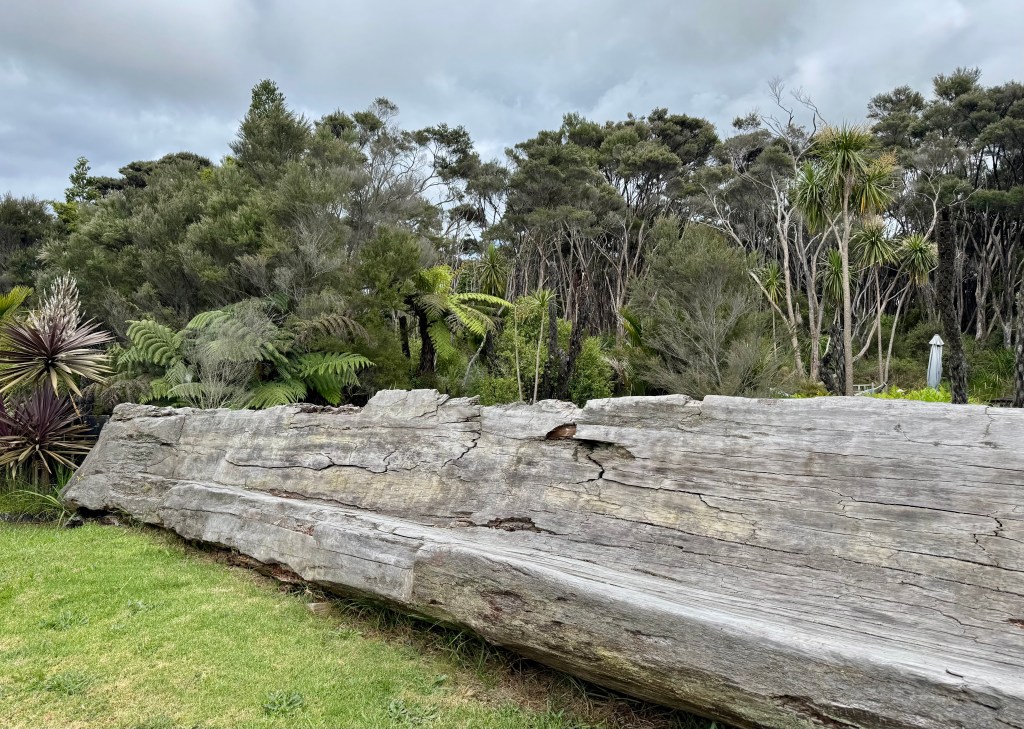
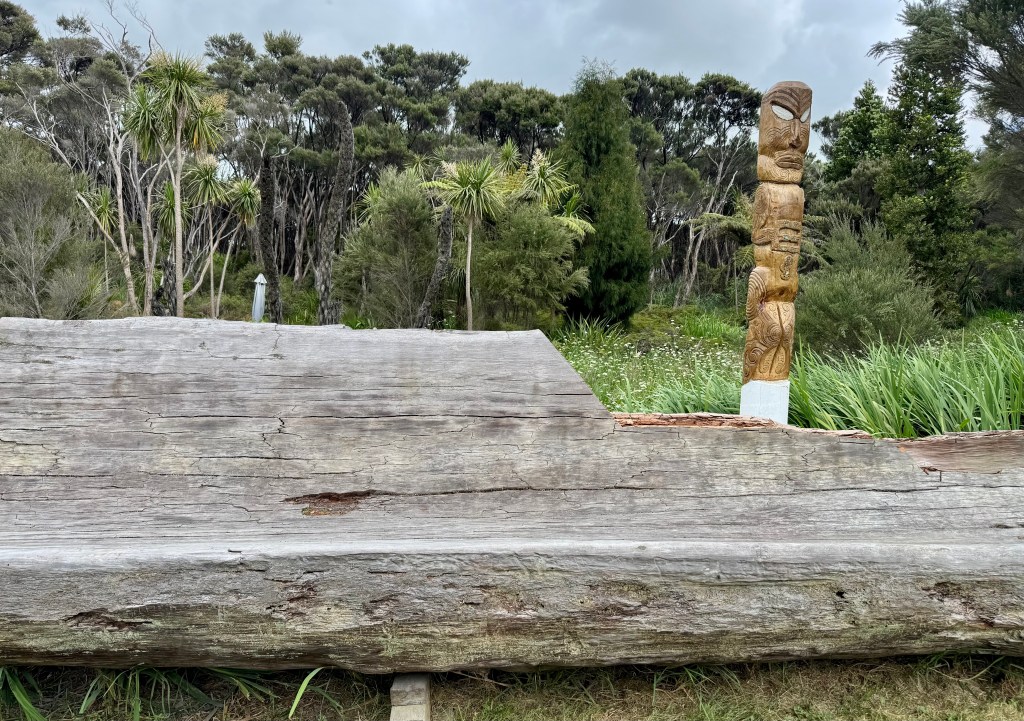
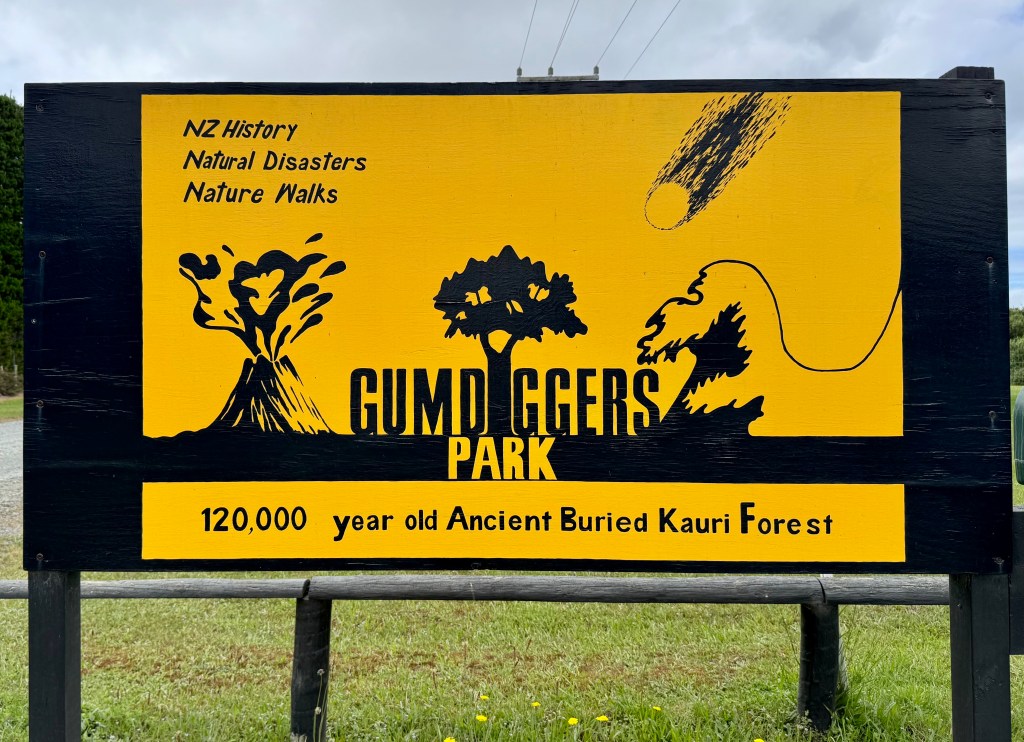
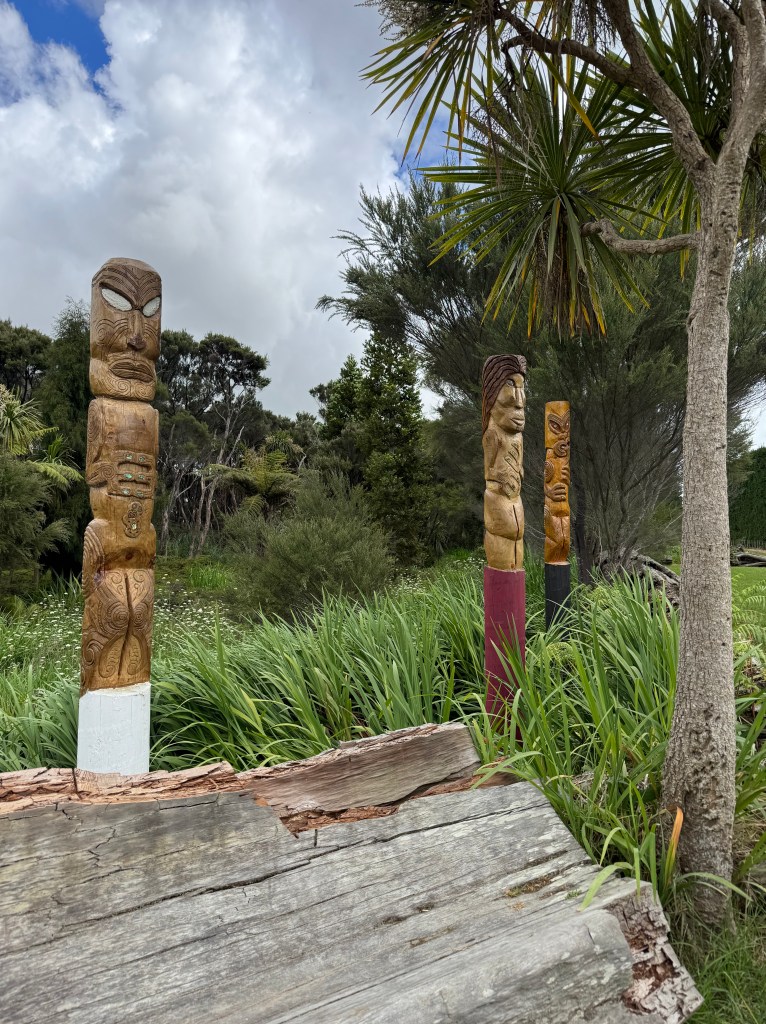
A second tip from our cab driver Wayne included stopping at Gum Diggers Park in Northland. The story begins 220 million years ago when the Agathis family of evergreen trees (Kauri) first appeared on the earth in the time of the dinosaurs (Cretaceous Era). After the breakup of the great continent Gondwanaland, the sub species Agathis Australis were confined to an area which became Northern New Zealand. They do not grow naturally anywhere else in the world. Kauri Gum is the fossilized resin or sap of the Kauri Tree. The age of the gum can vary significantly – anywhere from a few hundred years old to many hundreds of thousands of years old. Some Kauri Gum found in the Otago in the South Island has been estimated by scientists to be over 175 million years old and is Amber. Most of the Kauri Gum found on the Gum Diggers Park site is between 46,000 -150,000 years old.
Although used for generations by the Māori people (they used it as chewing gum, for lighting fires and tattooing) the Kauri Gum industry had its beginnings in 1814 when a trial shipment was sent to London by early European pioneers who were keen to export products back to their homeland. The gum soon became prized in making high quality varnish.
The gum diggers would target their excavations around the bases and crowns of the trees. The timber wasn’t important to them and was often burnt for firewood. The influx of “gum diggers” to the Auckland and Northland areas from about 1830 provided the basis for one of our largest ever export industries earning New Zealand even more revenue than farming in the early 1900s.
Between 1850 and 1950 over 450,000 tons of Kauri Gum, worth 25 million pounds, had been exported to manufacturer varnish. Unfortunately, most of the Kauri gum was exported overseas, mainly to Britain but also to Australia and the USA. Very little remains in this country and there is probably almost none remaining in the ground.
Today the Kauri trees are limited to a few reserves, and they are now absolutely protected. These majestic trees are now attracting many visitors to the natural forest areas and have brought a new awareness about the need for conservation – not only for the Kauri but for all our native treasures.
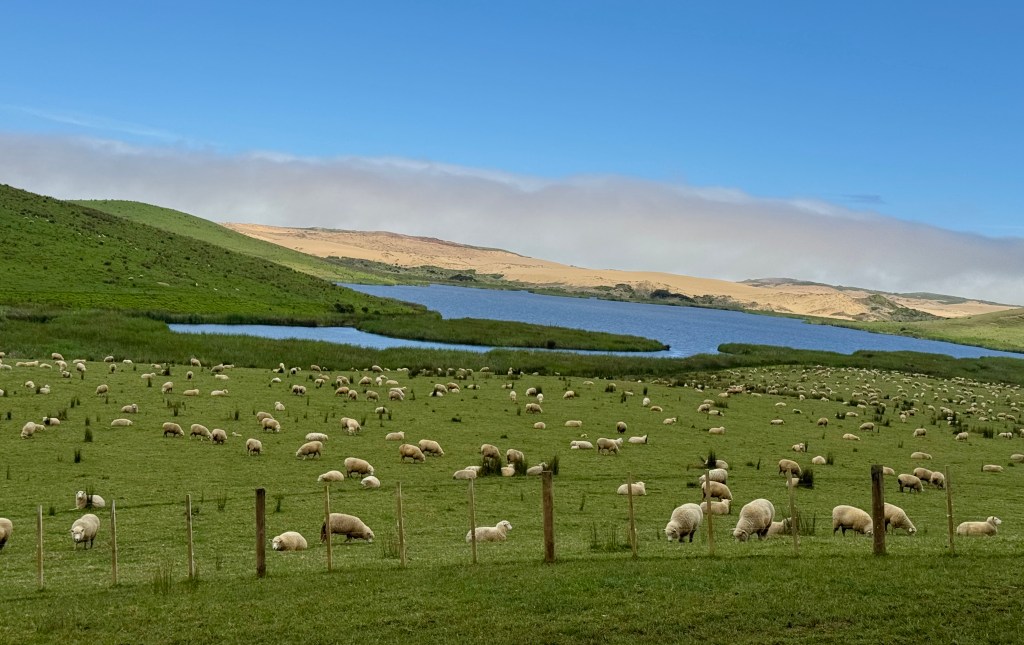
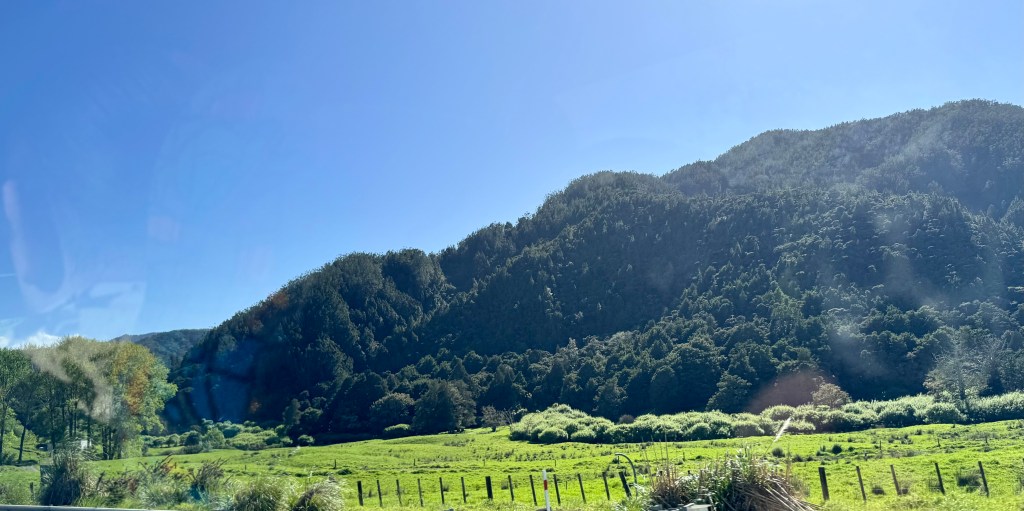
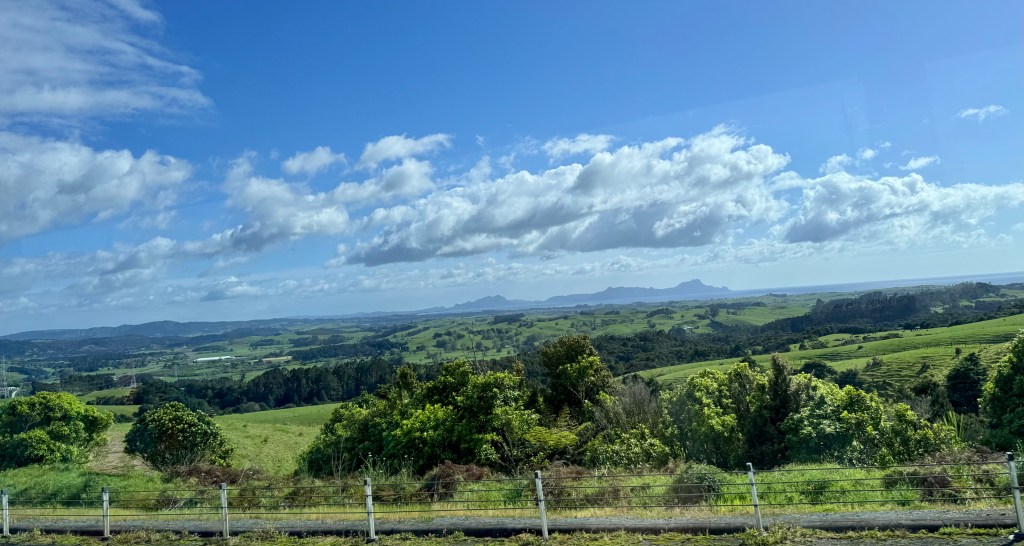
We noticed lots of sheep grazing on the hillsides during our drive. In trying to get a better understanding around the size of sheep farming, I learned it is a significant industry in New Zealand. According to 2007 figures reported by the Food and Agriculture Organization (FAO) of the United Nations, there are 39 million sheep in the country (a count of about 10 per human). The country has the highest density of sheep per unit area in the world. For 130 years, sheep farming was the country’s most important agricultural industry, but it was overtaken by dairy farming in 1987. Sheep numbers peaked in New Zealand in 1982 to 70 million but have dropped to about 24.4 million as of June 2023. There are 16,000 sheep and beef farms in the country which has made the country the world’s largest exporter of lambs, with 24 million finished lambs recorded every year.

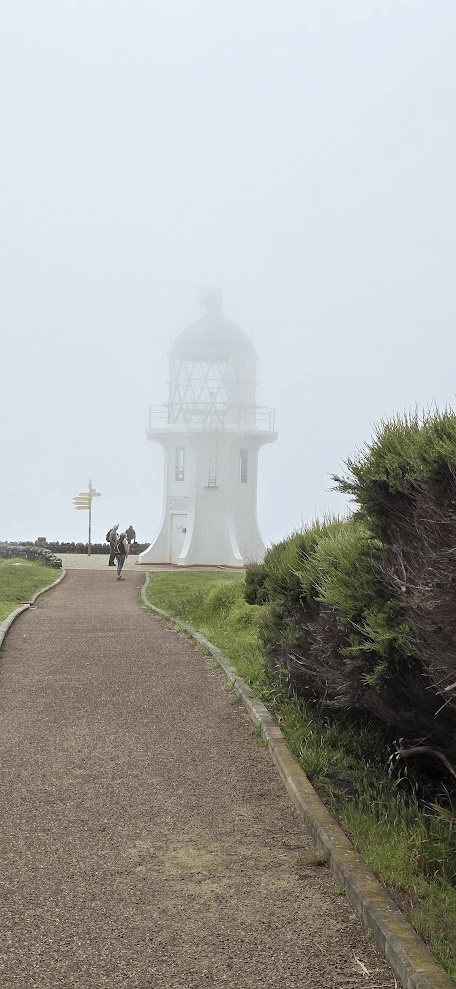
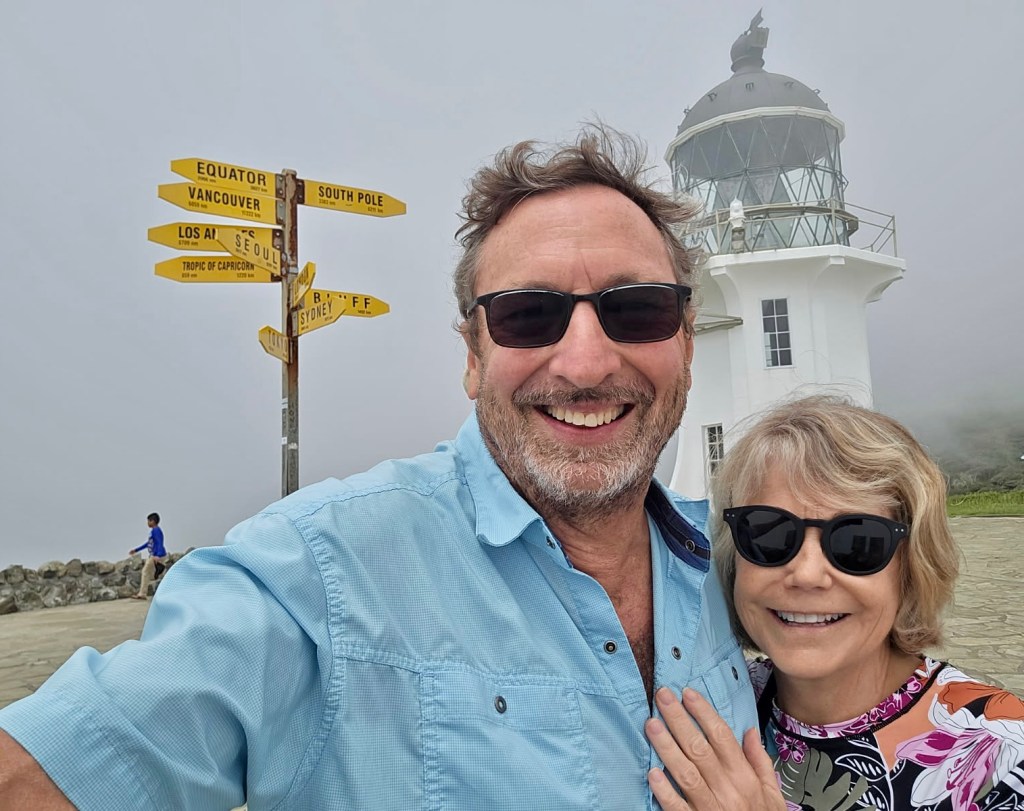
As we were getting close to Cape Reinga the weather changed and heavy fog started coming in. Unfortunately, it covered most of our view but we did manage to get a couple of pictures before we lost visibility.
Cape Reinga is generally considered the separation marker between the Tasman Sea to the west and the Pacific Ocean to the east. From the lighthouse it is possible to watch the tidal race, as the two seas clash to create unsettled waters just off the coast.
It is a popular tourist site, with annual visitor numbers estimated at over 500,000 people. Visitor numbers are growing by about five percent a year, and the increase is likely to become even more now that the road to the cape is fully sealed.
According to mythology, the spirits of the dead travel to Cape Reinga on their journey to the afterlife to leap off the headland and climb the roots of the 800-year-old Pohutukawa tree and descend to the underworld to return to their traditional homeland of Hawaki, using the Te Ara Wairua, the ‘Spirits pathway’. At Cape Reinga they depart the mainland. They turn briefly at the Three Kings Island for one last look back towards the land, then continue their journey.
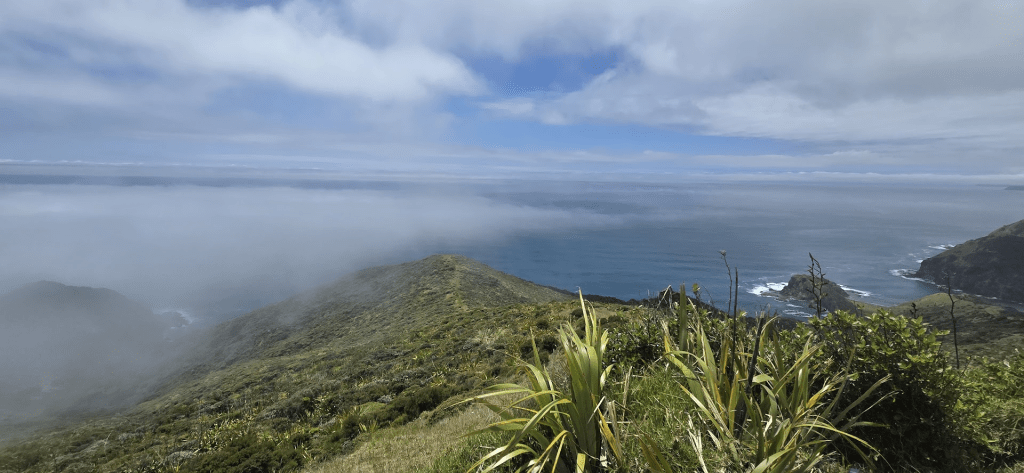
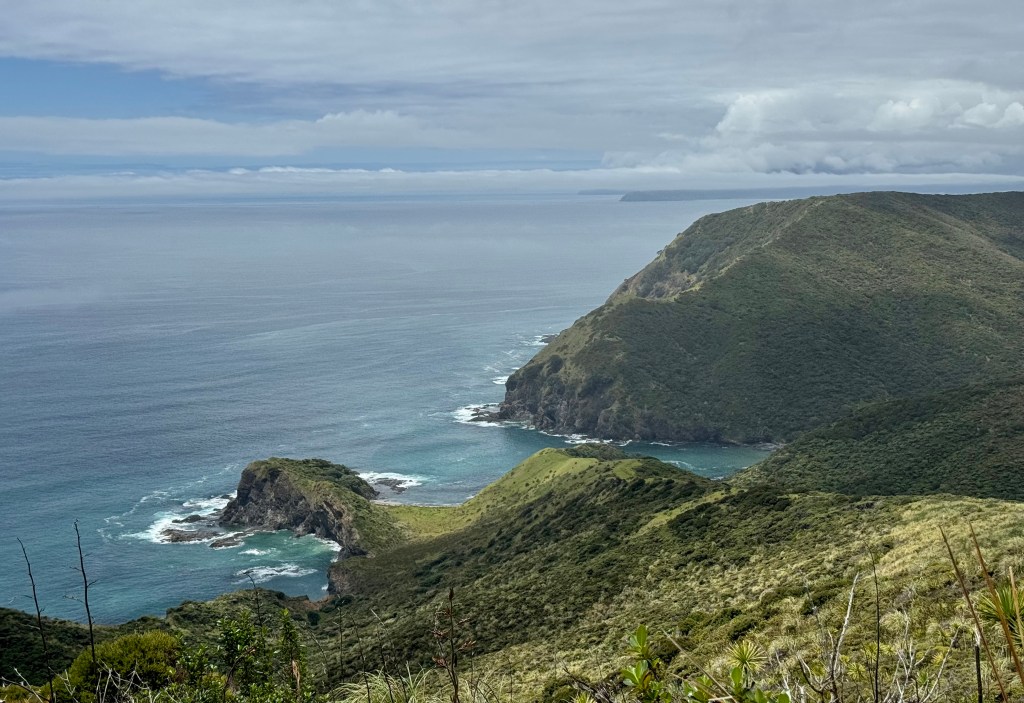
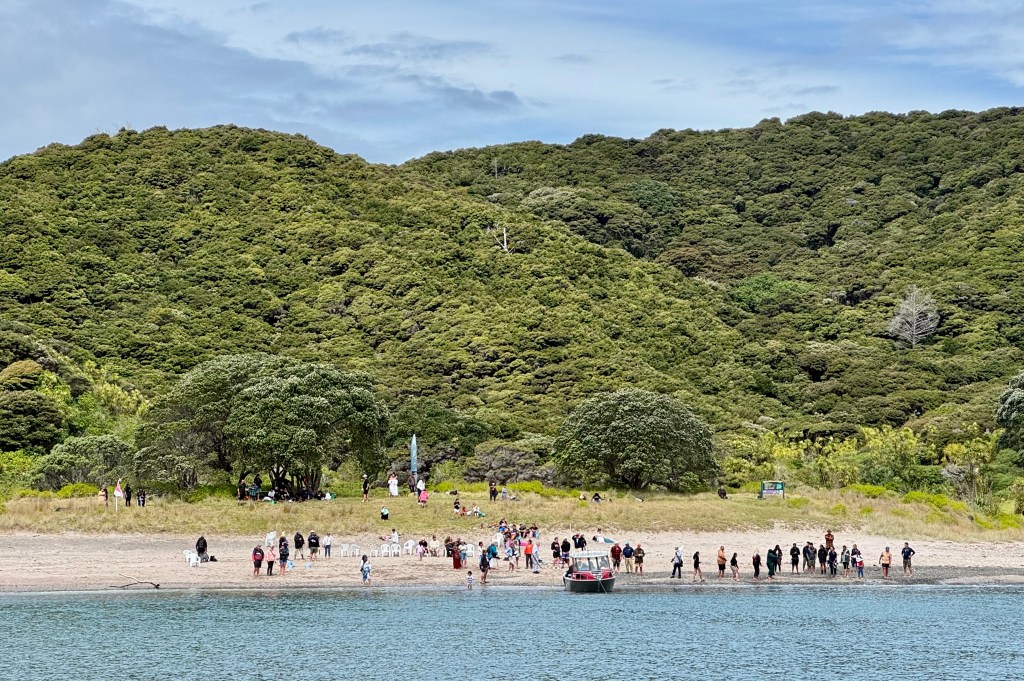
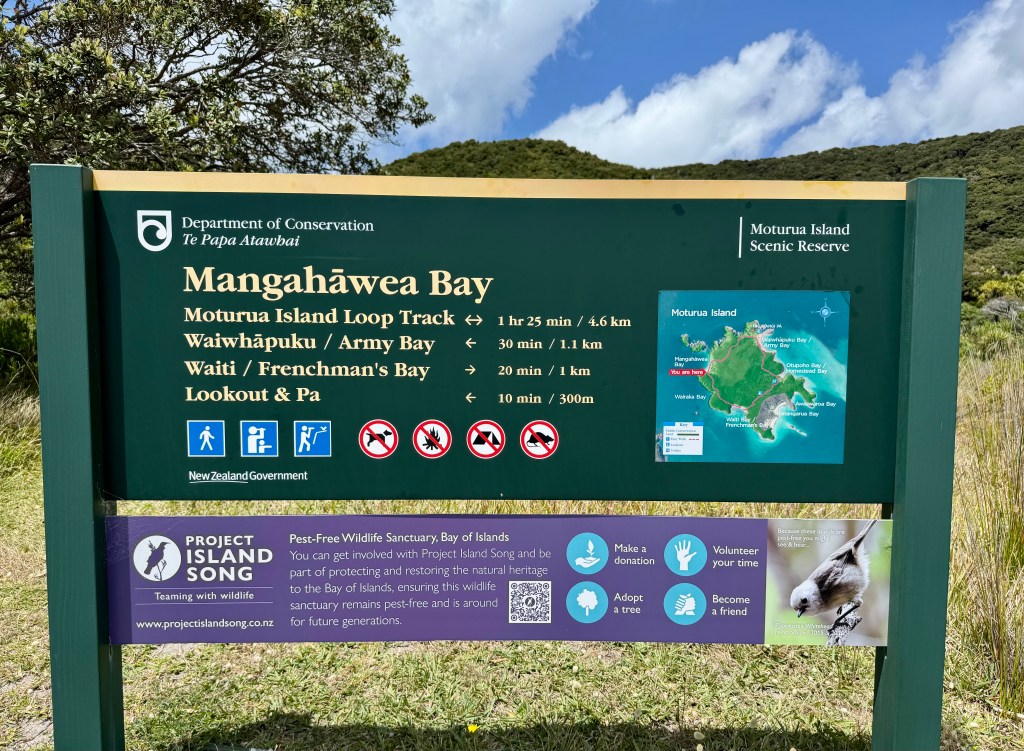
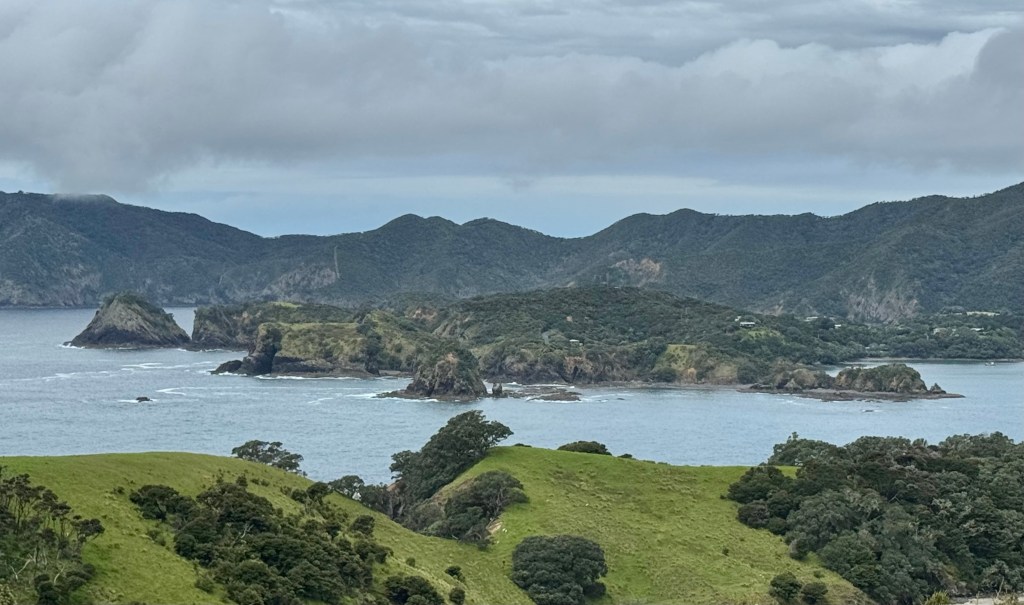
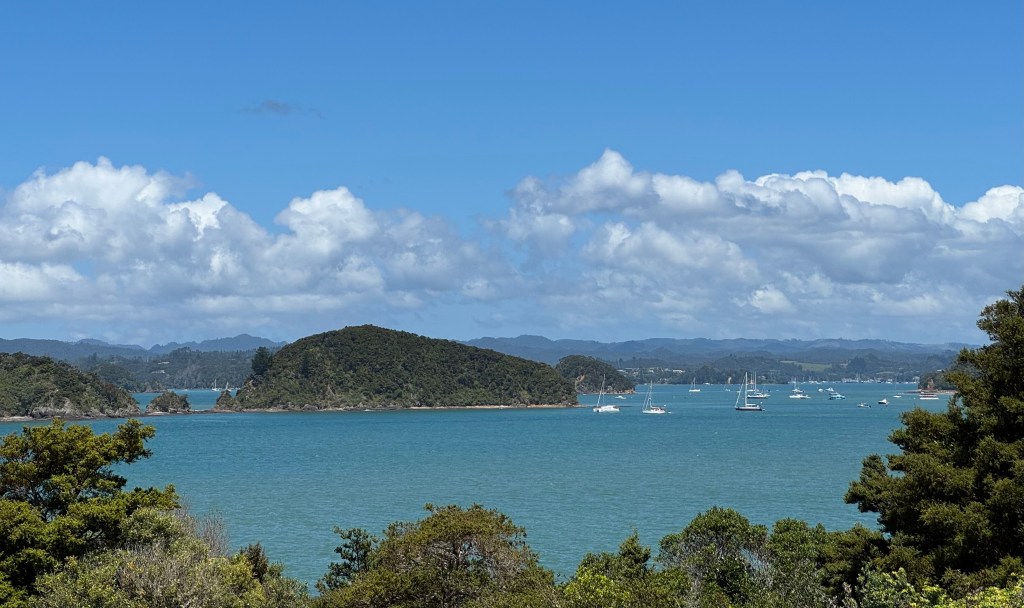
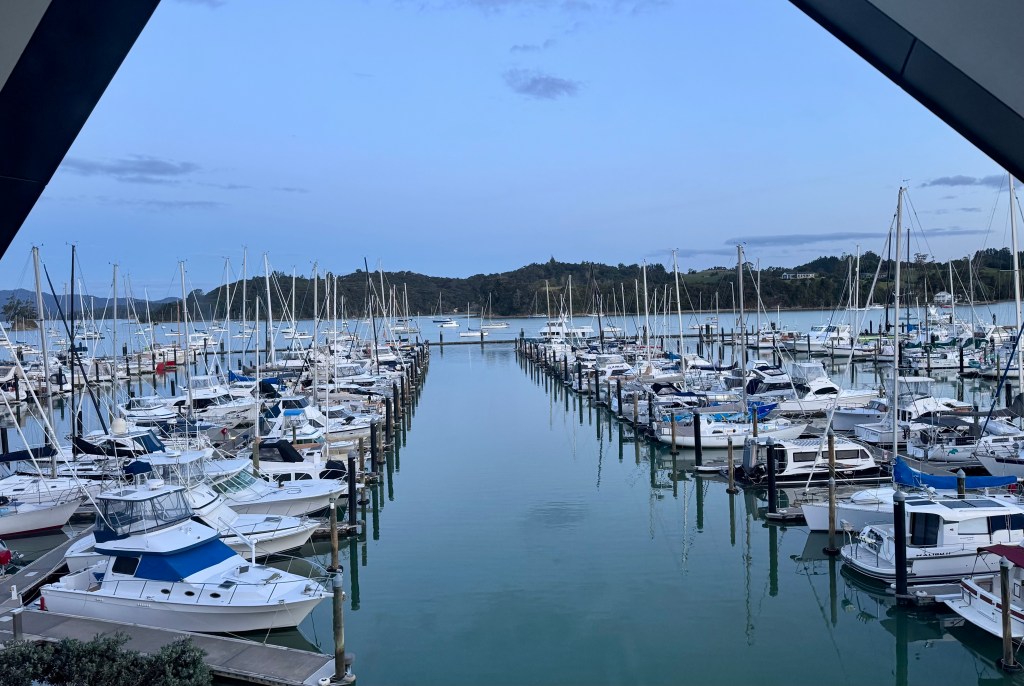
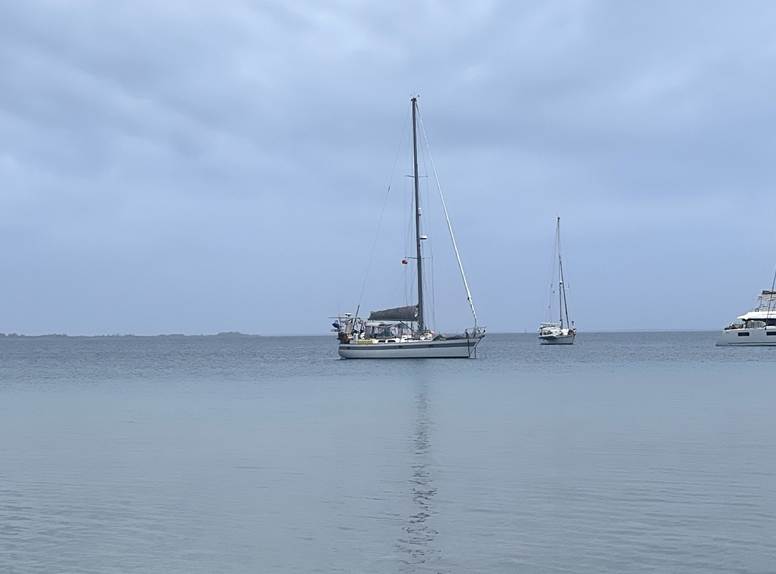
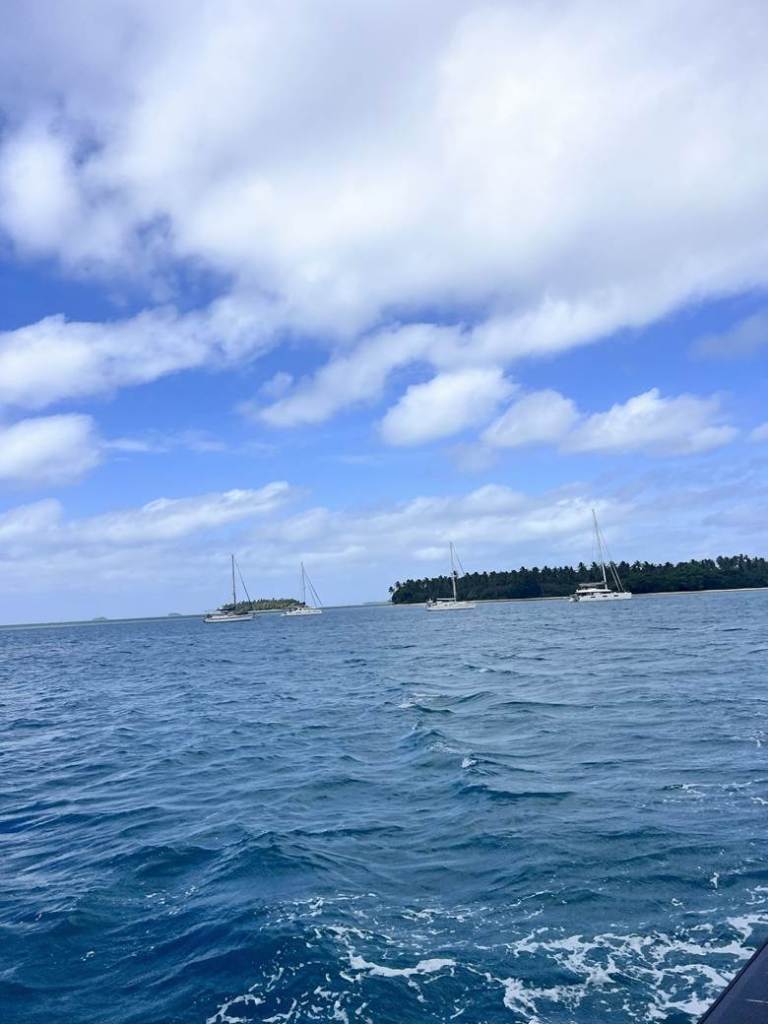
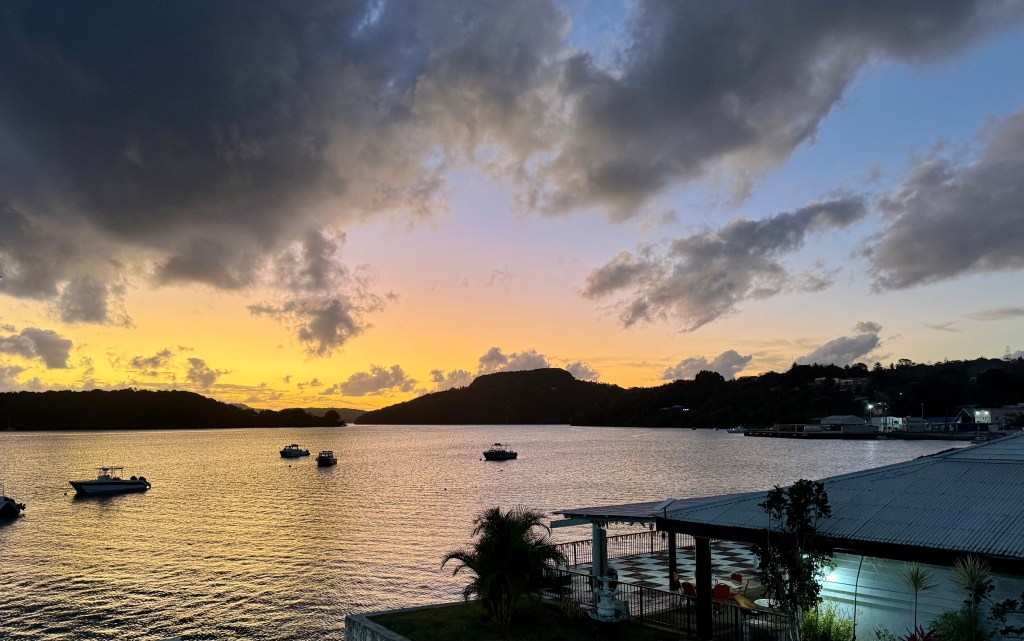
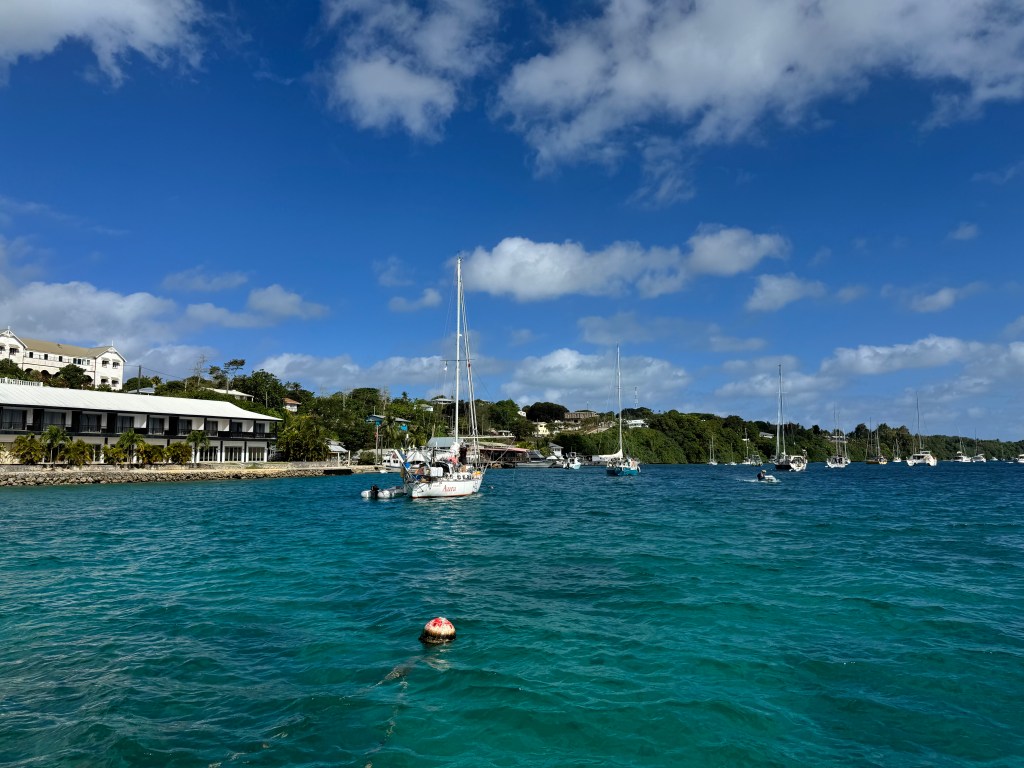
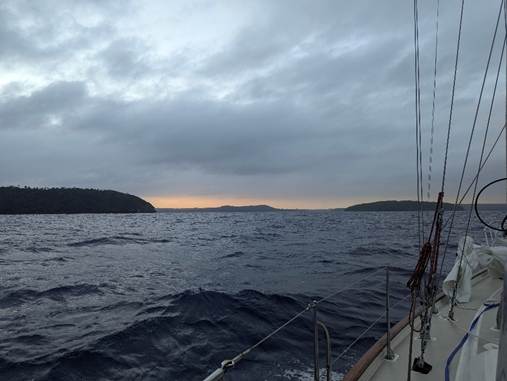
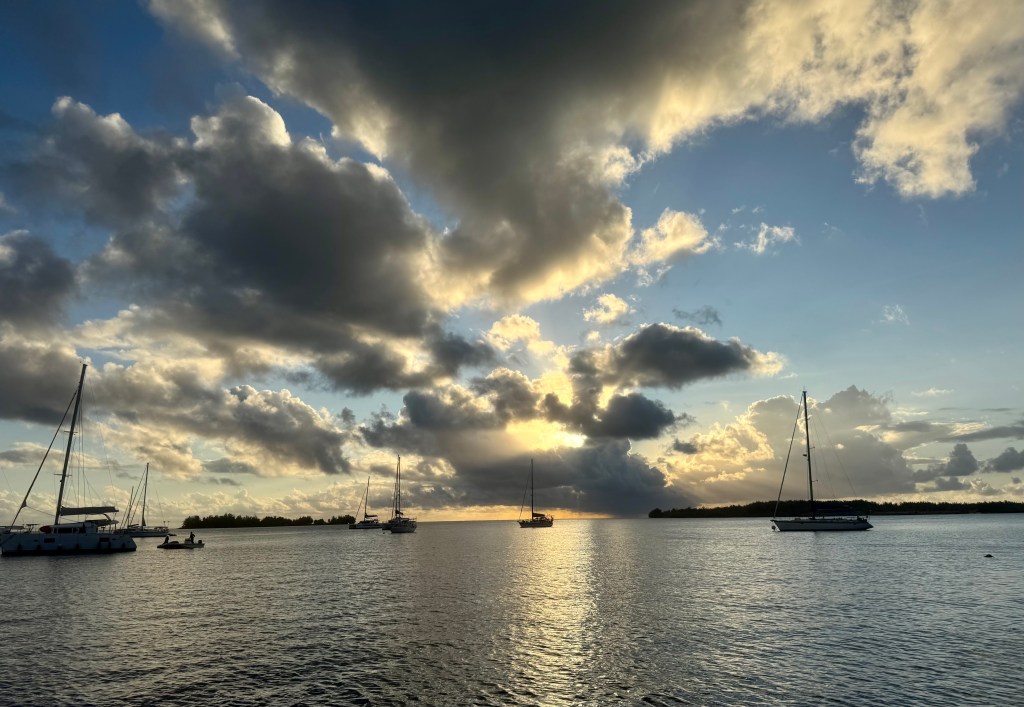
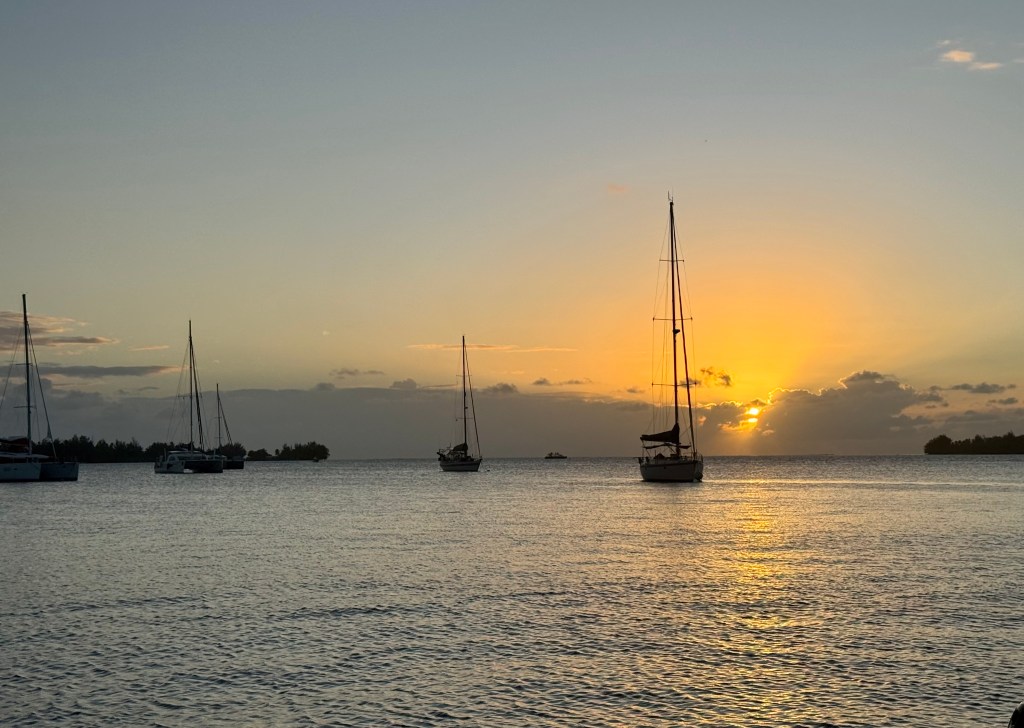
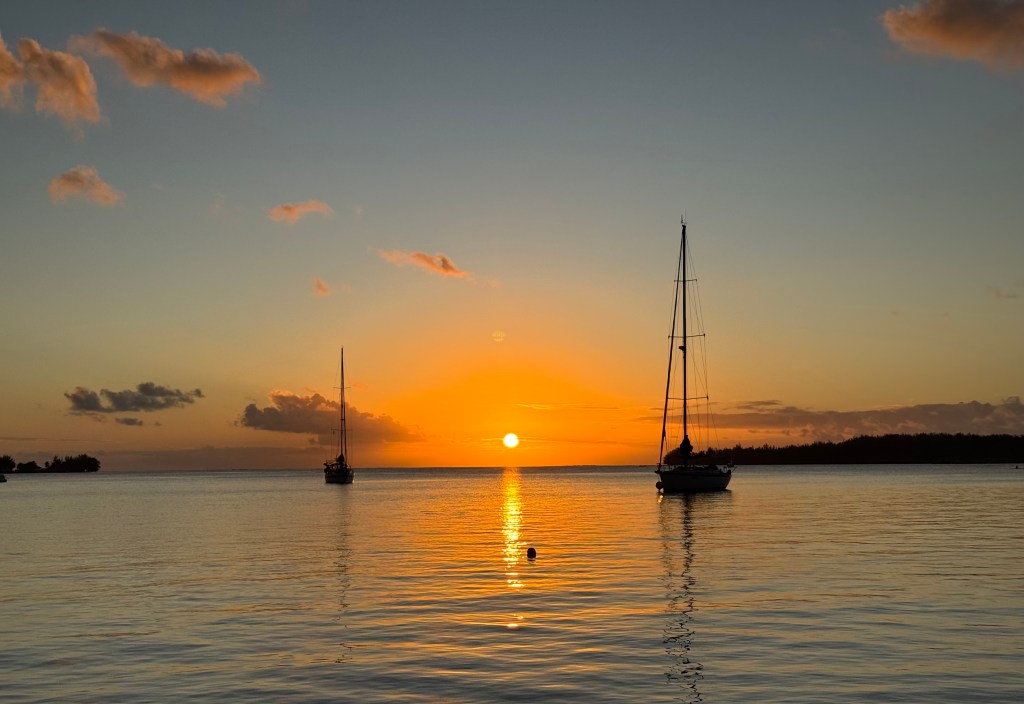
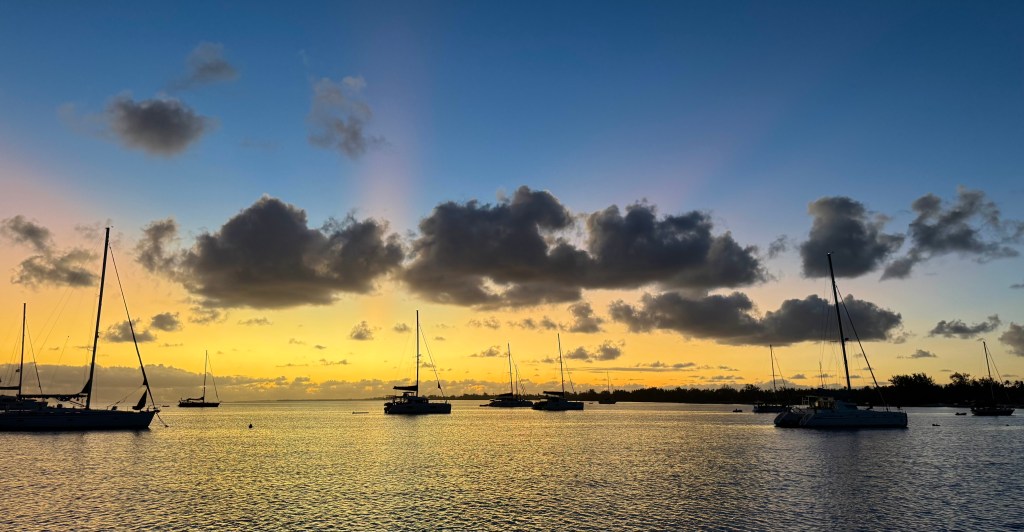
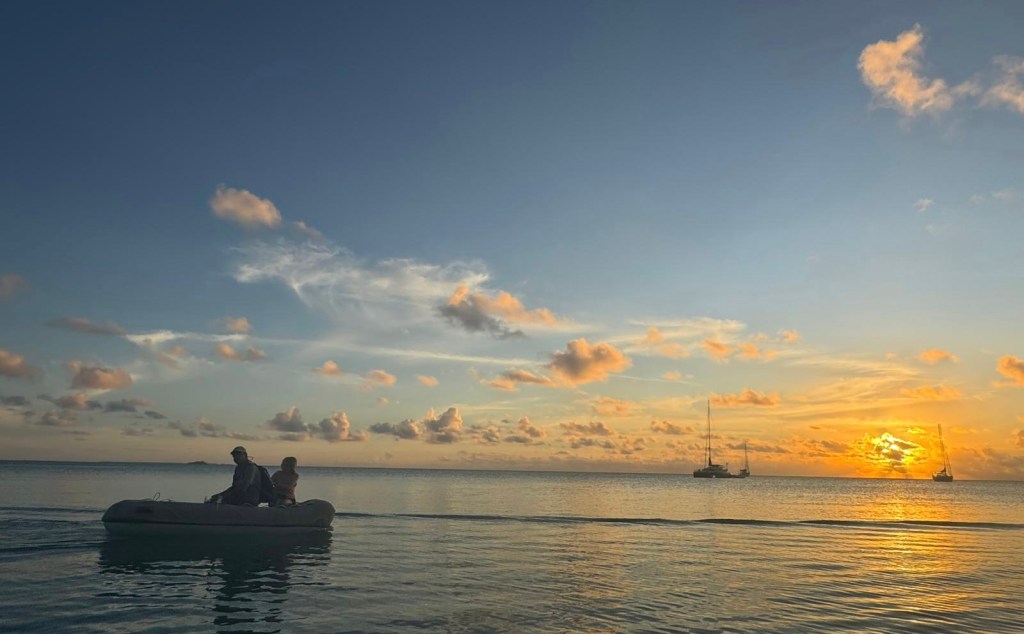
It was also a goal of ours to go cruising for few days around the Bay of Islands. It’s famous for it’s sailing and wonderful anchorages. On November 16, we sailed to Mangahawea Bay. It’s one of New Zealand’s earliest known Polynesian settlement sites, showing adaptation by explorers arriving from Polynesia centuries ago. Excavations have uncovered rich layers of cultural history, providing insights into the lives of early Māori.
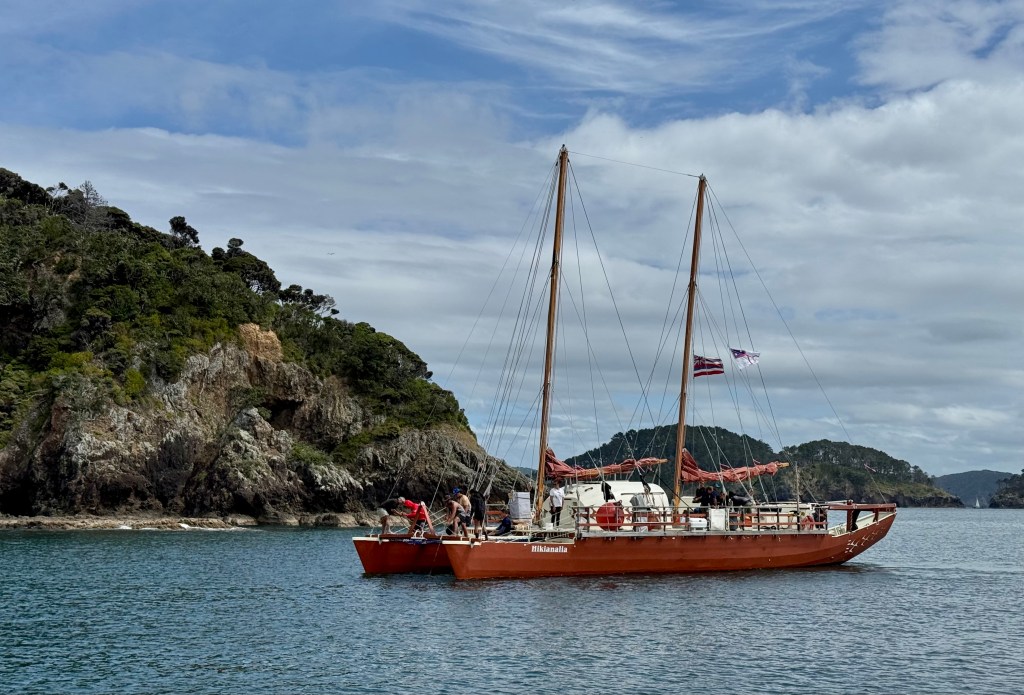
When we arrived at this Bay, the Hawaiian voyaging canoes Hōkūleʻa and Hikianalia were visiting Mangahawea Bay. We discovered they were here primarily to commemorate the 40th anniversary of Hokulea’s historic first landfall in 1985, strengthening cultural ties with Maori, honoring ancestral voyaging, and engaging communities in sustainability and stewardship before wintering in New Zealand. The journey also served to train new navigators and leaders for the future of Polynesian voyaging, continuing the mission to explore, understand, and care for the Pacific.
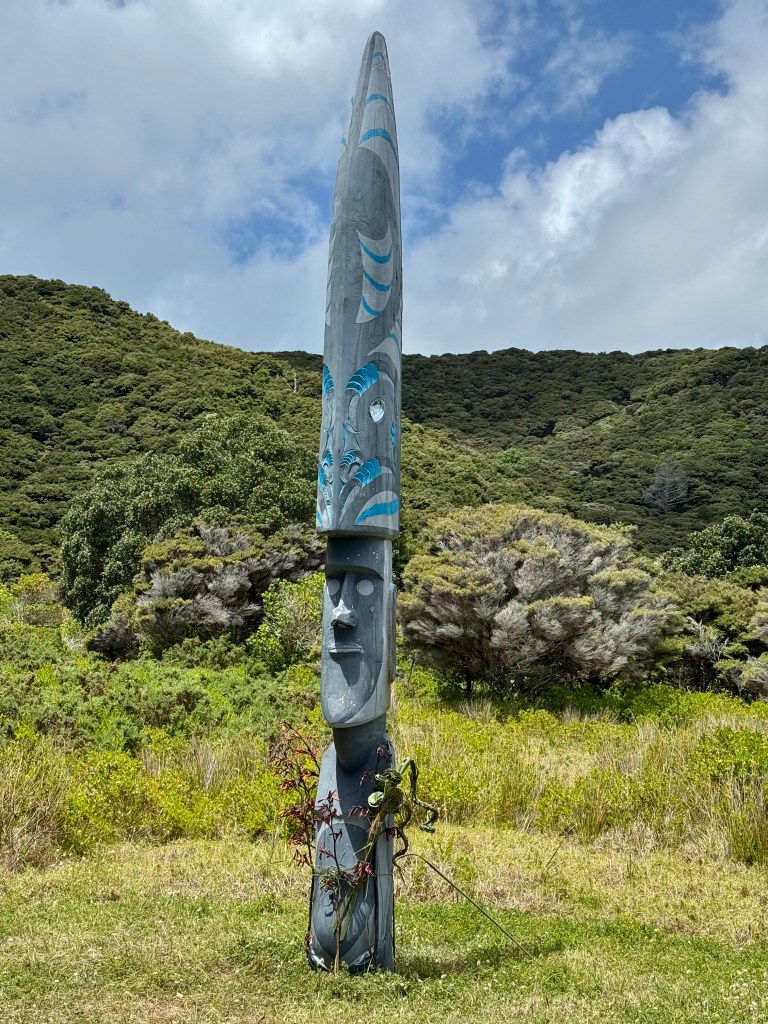
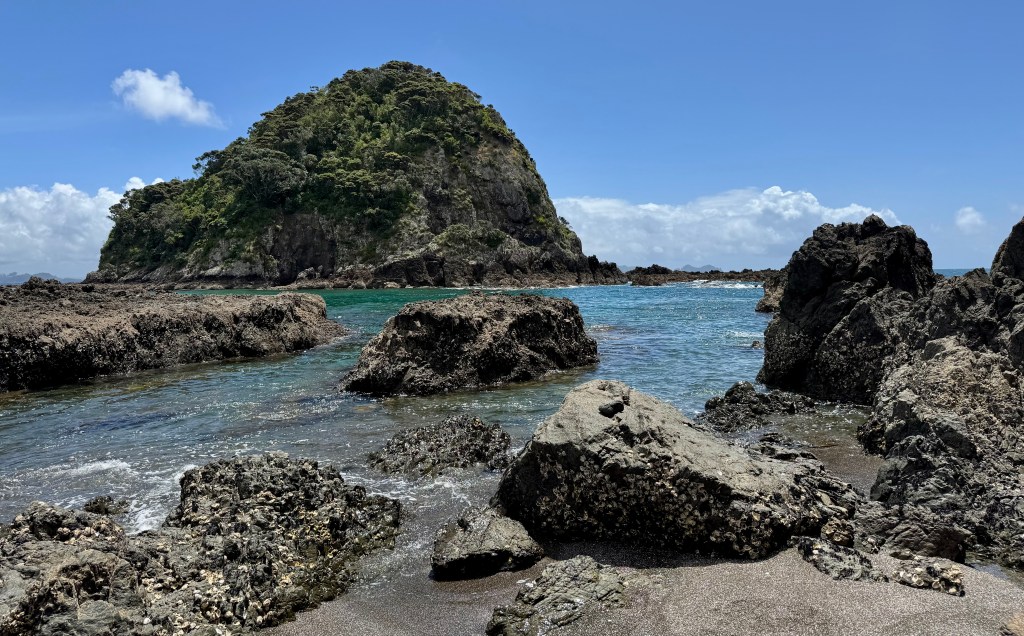
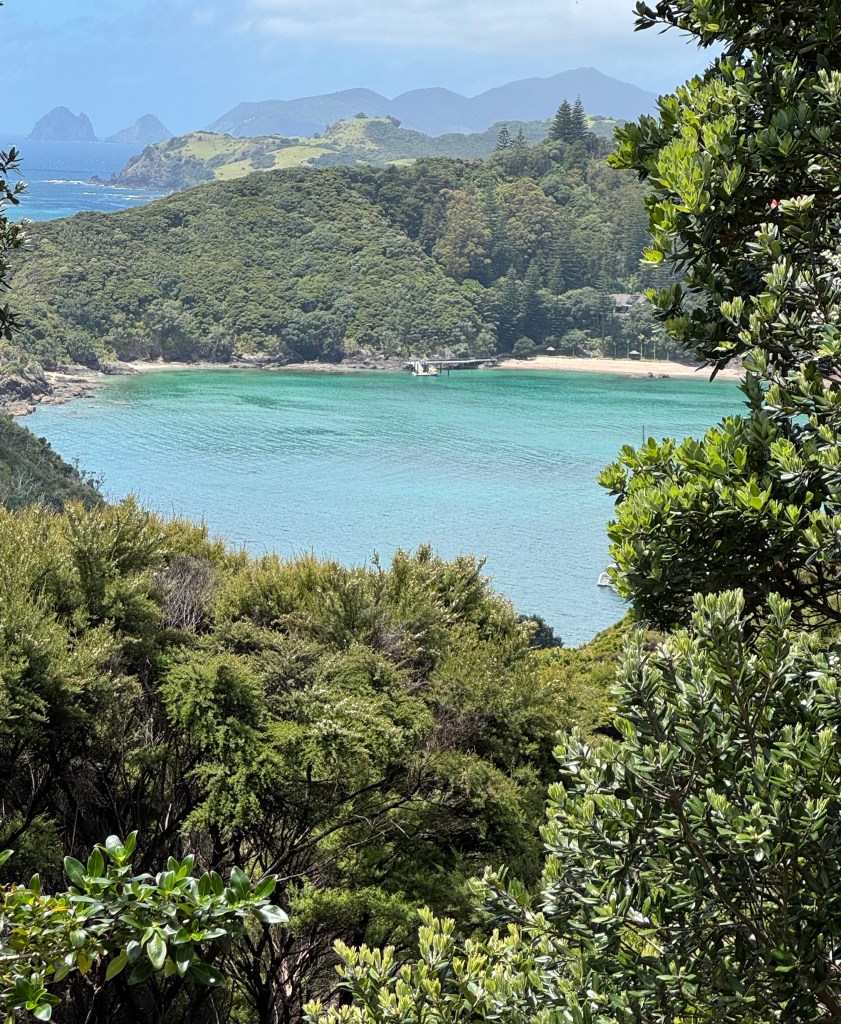
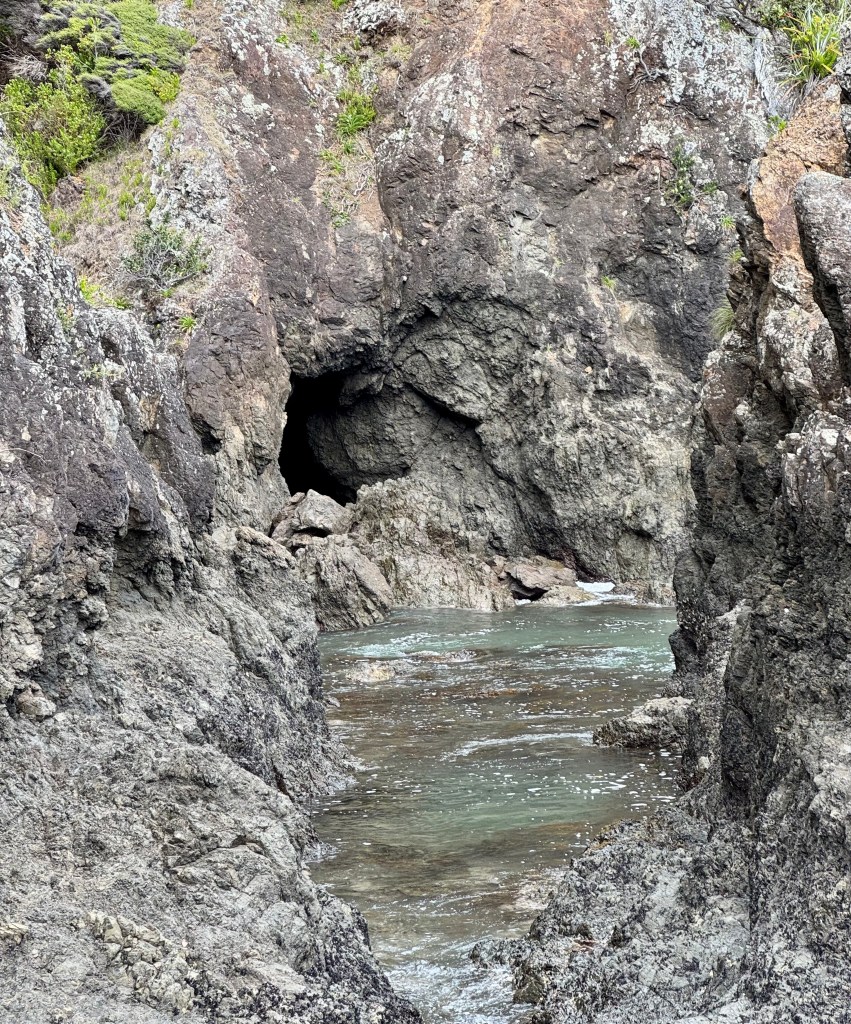
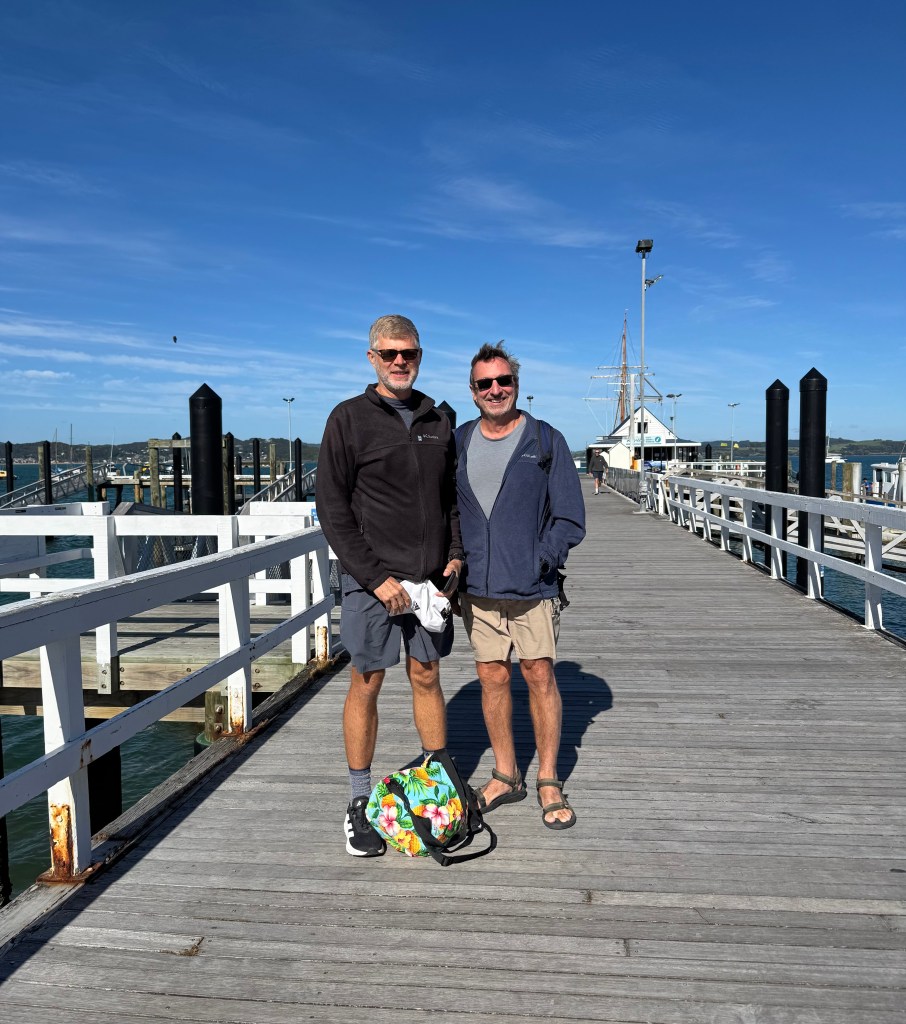
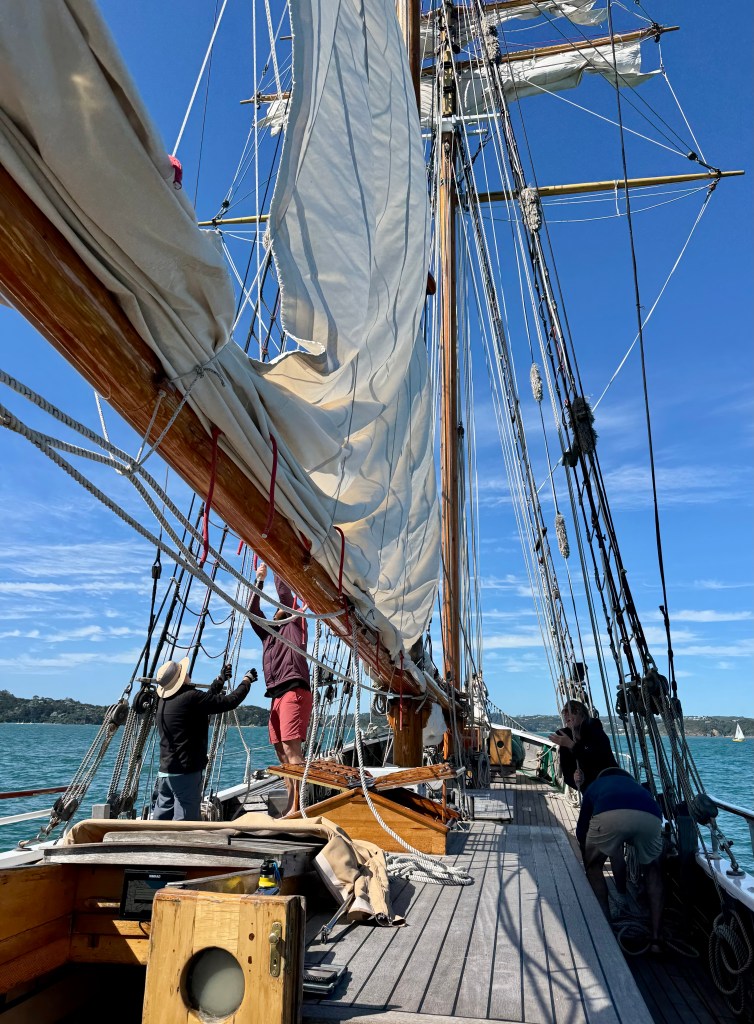
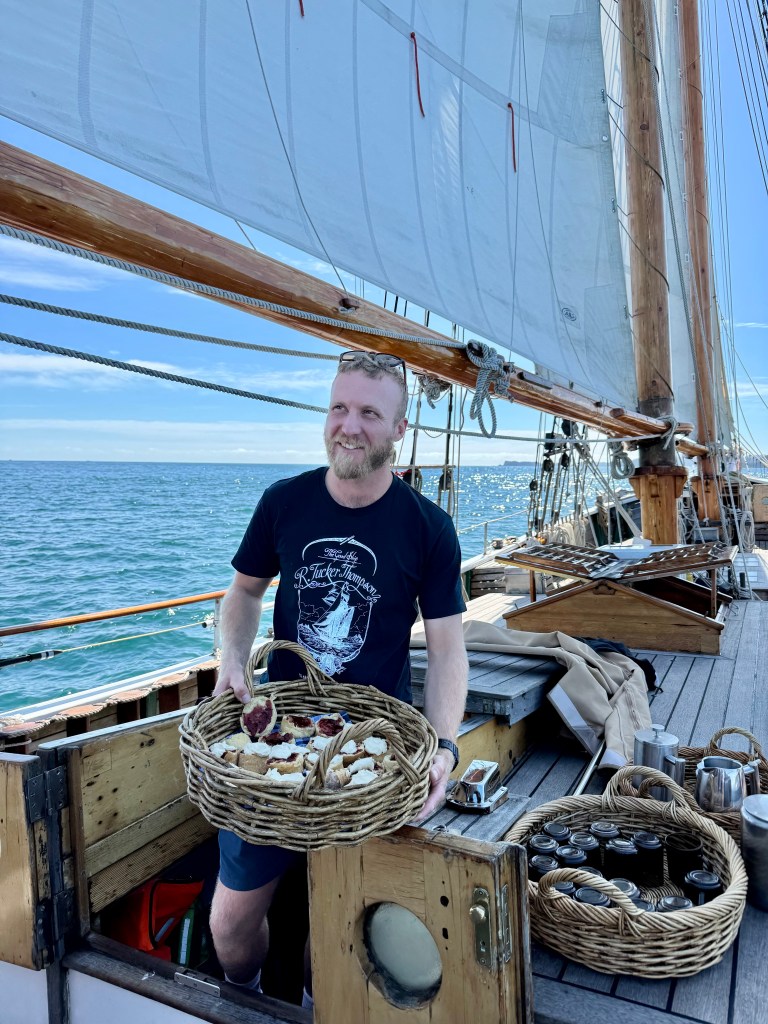
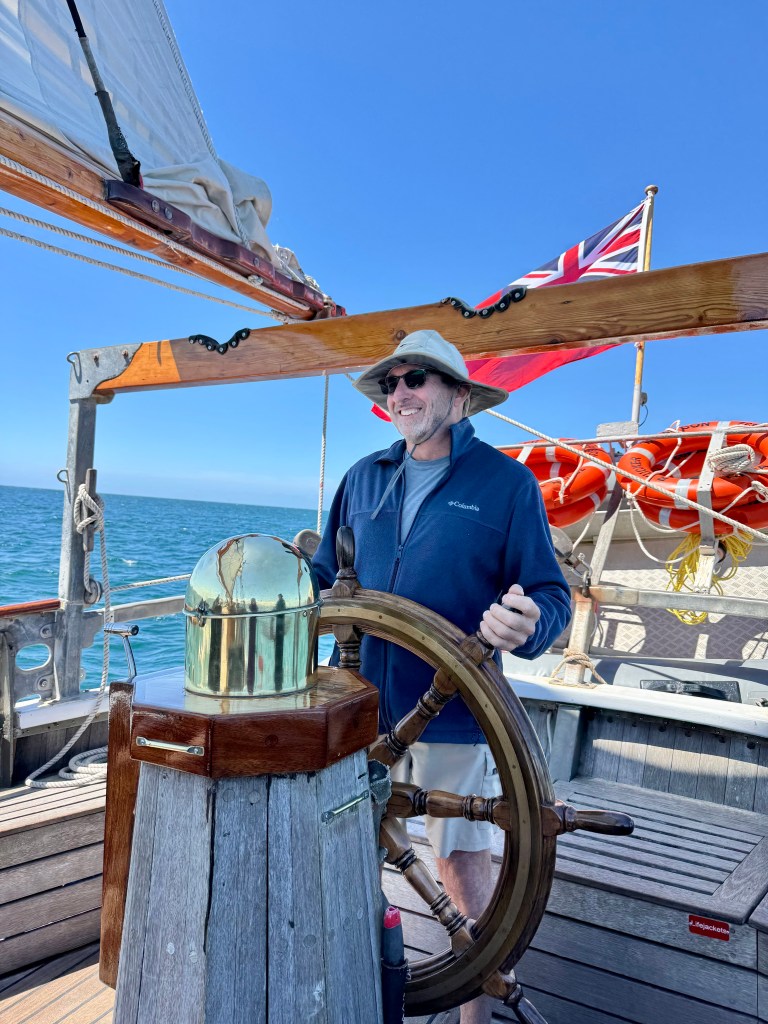
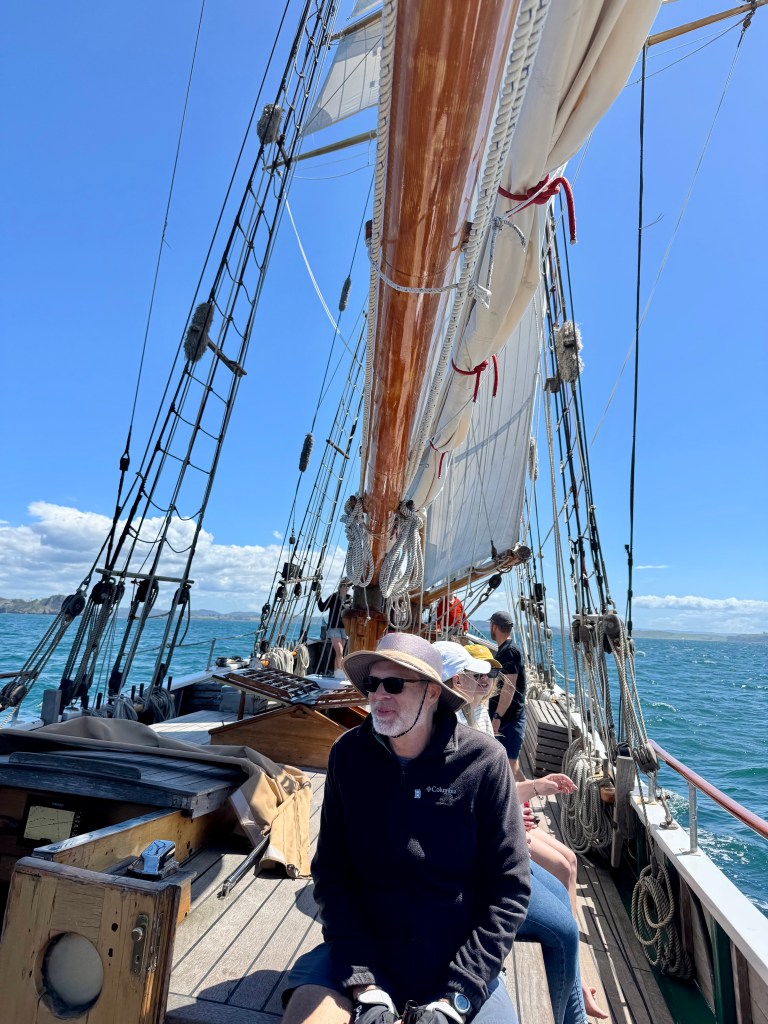
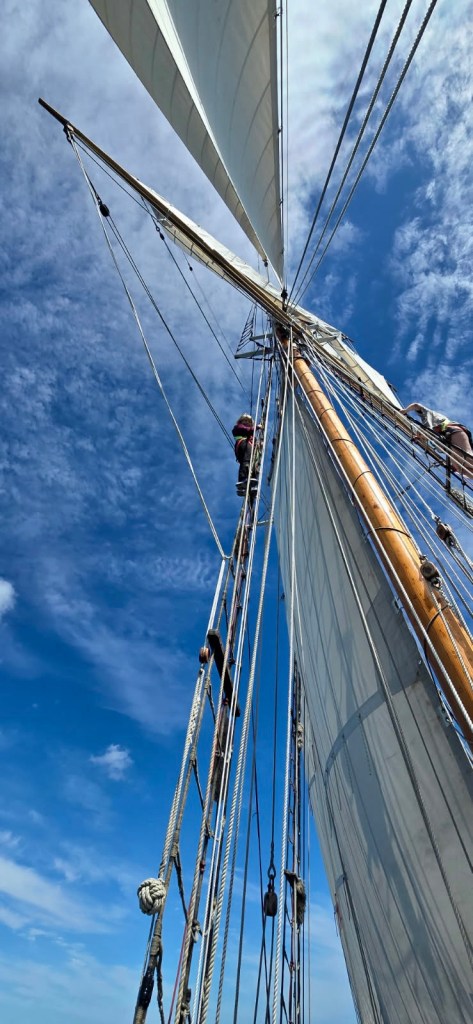
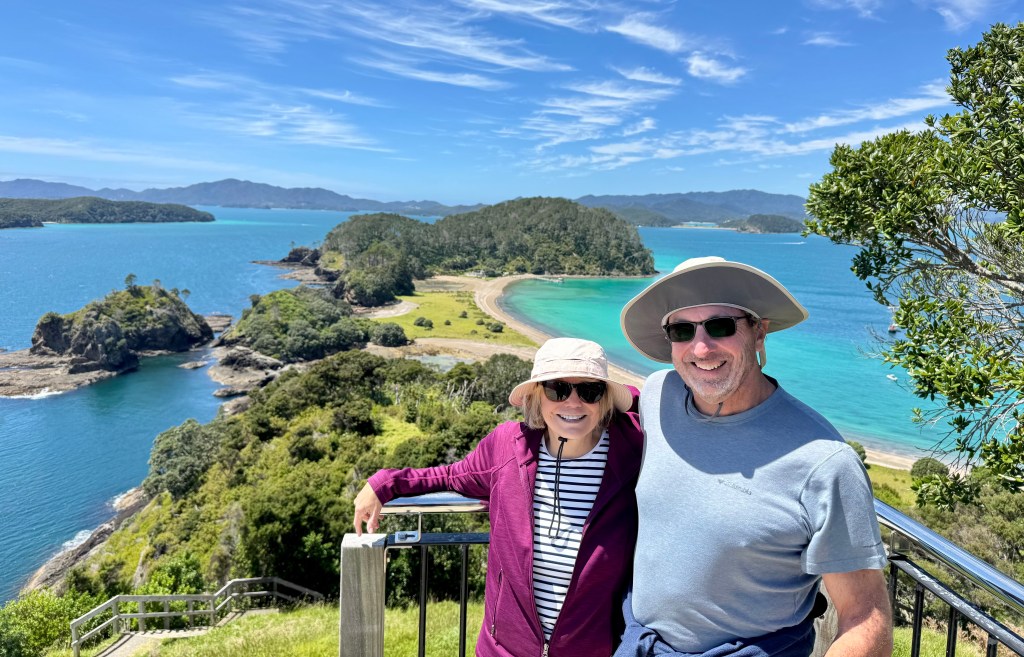
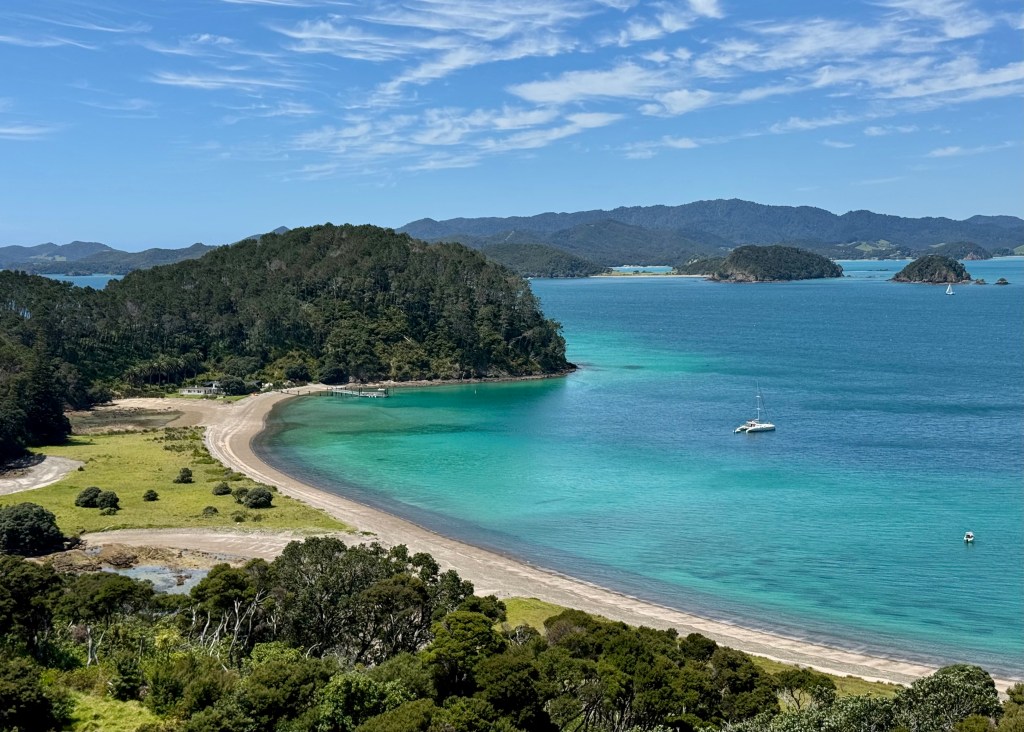
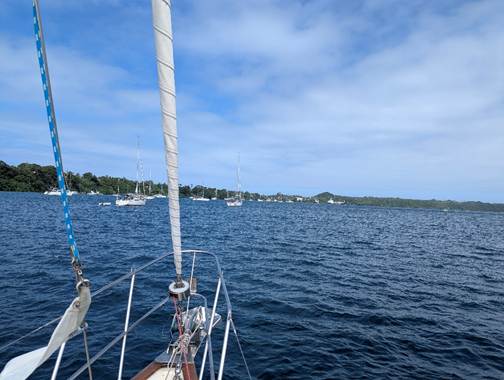
Next, we anchored near Roberton Island for 2 nights. It’s the same island we went to for our Tall Ship tour in late October aboard the R. Tucker Thompson. The Island has a short hike with gorgeous views that we enjoyed hiking again. We were also privileged to see an amazing dolphin show as they swam around our boat and others in the bay for a good 10 minutes.
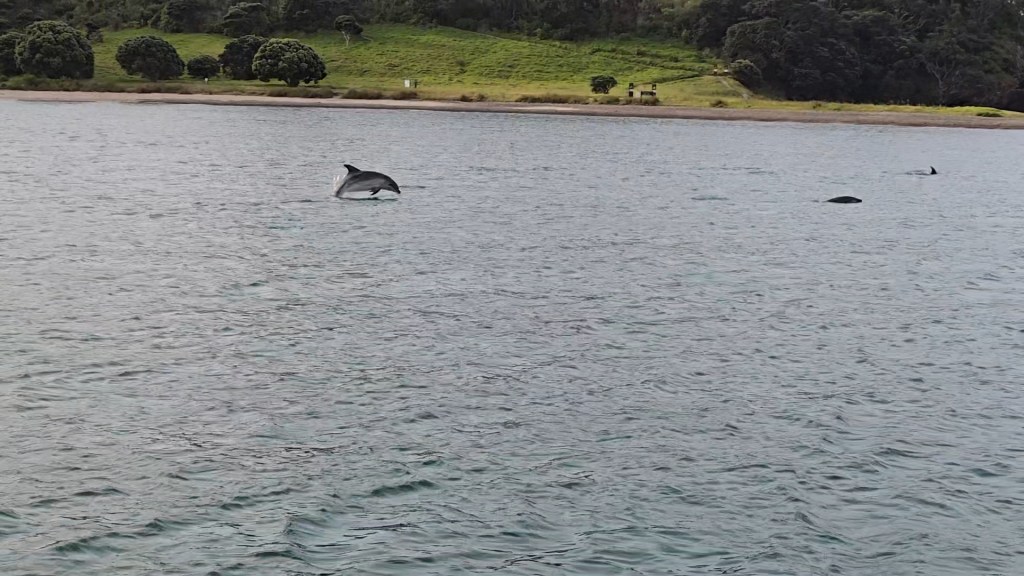
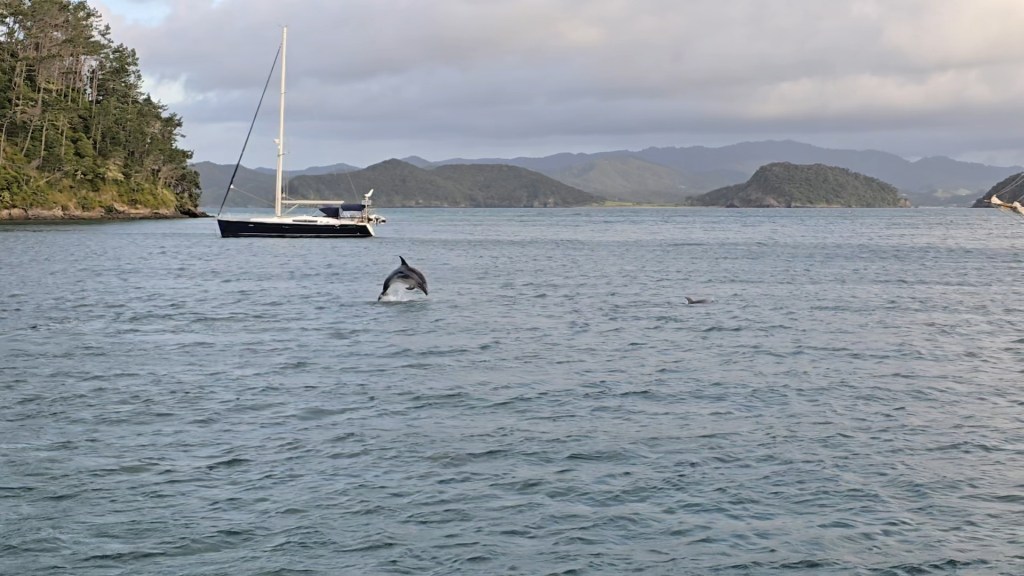
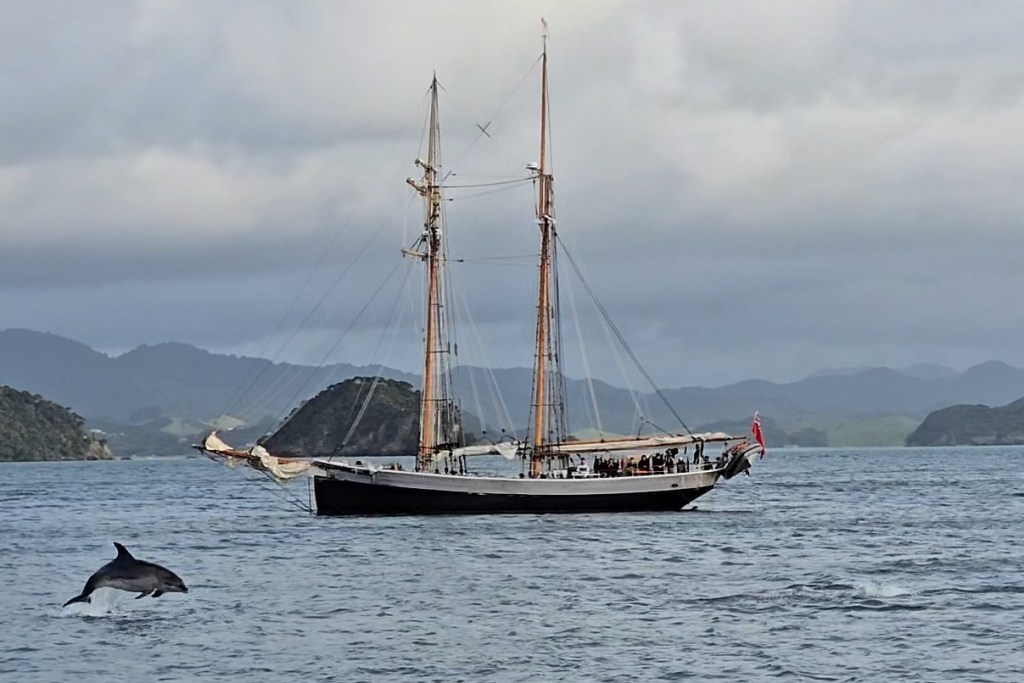
Motuarohia (Roberton Island) has been inhabited by Māori since early Polynesian settlement, with evidence of gardens and fortifications. Captain Cook landed there in 1769 and named the region the Bay of Islands. In 1839, the island was renamed after John Roberton, who later died in a boating accident, leaving his wife Elizabeth to manage the island. After passing through several owners in the 19th century, the island became a scenic and wildlife reserve by the 1950s. It was placed under government care in 1979 and is now a popular Bay of Islands tourist destination.
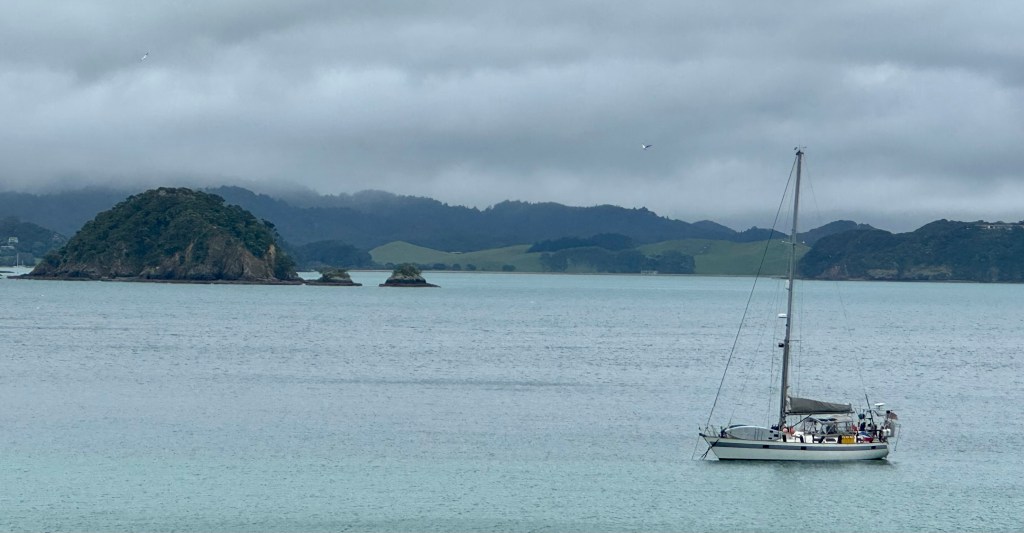
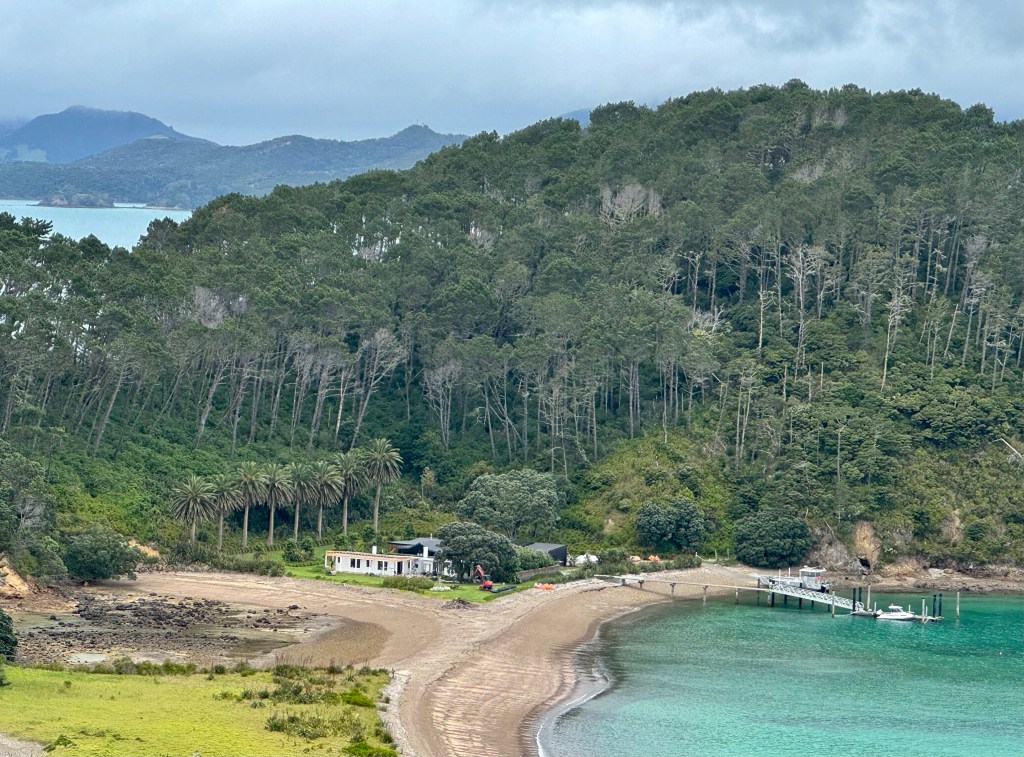
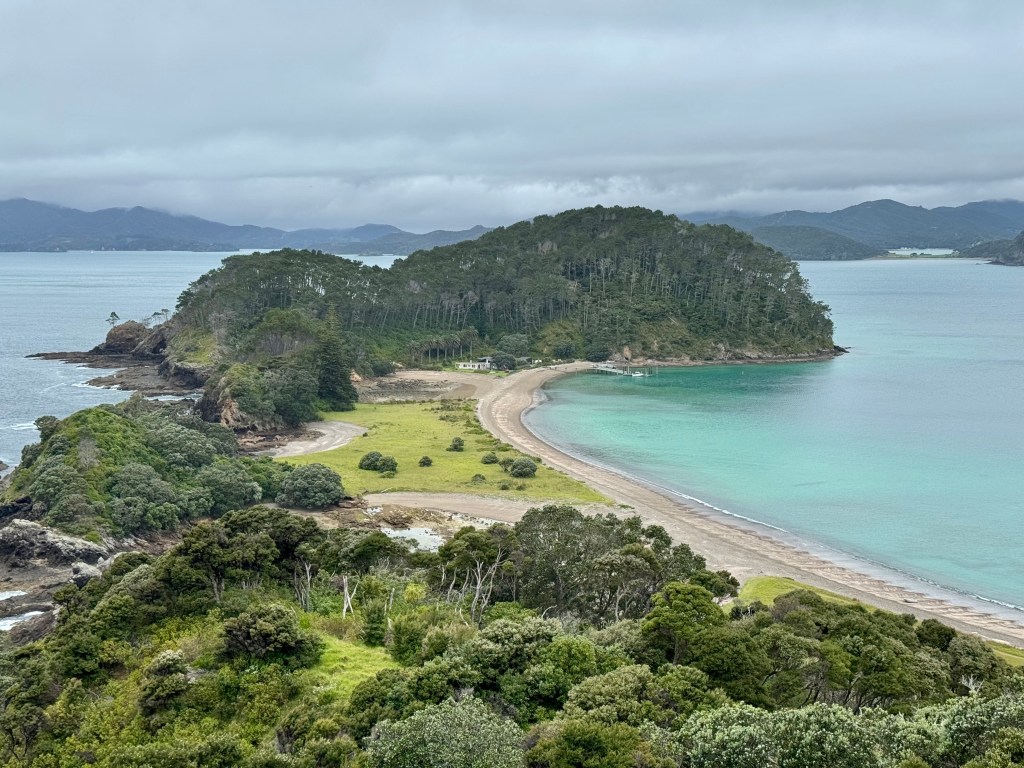
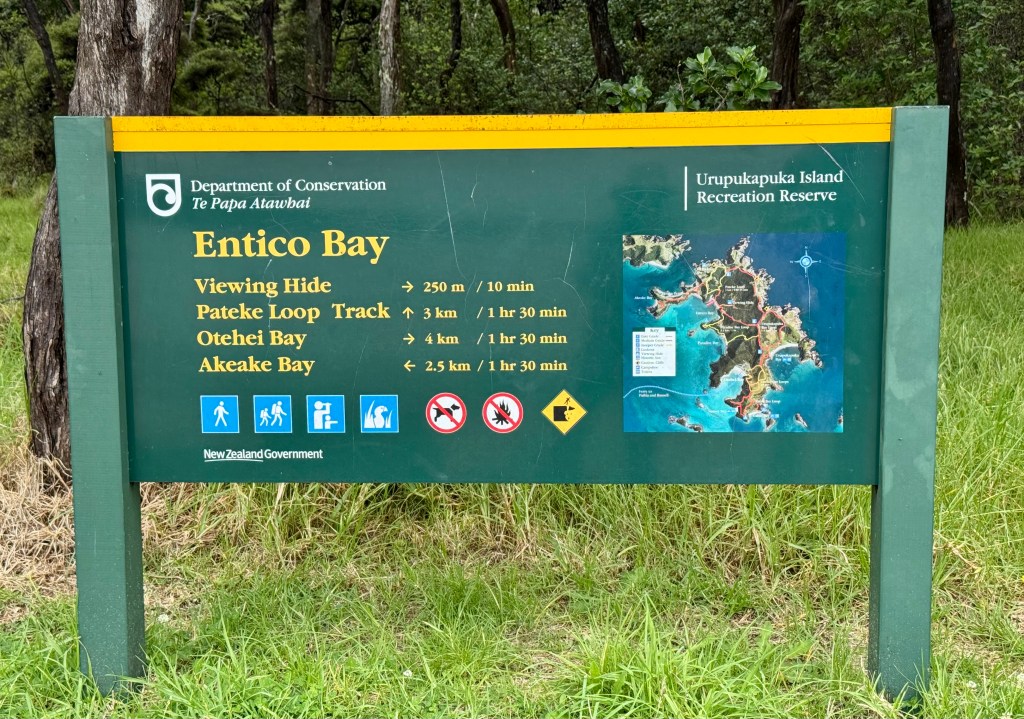
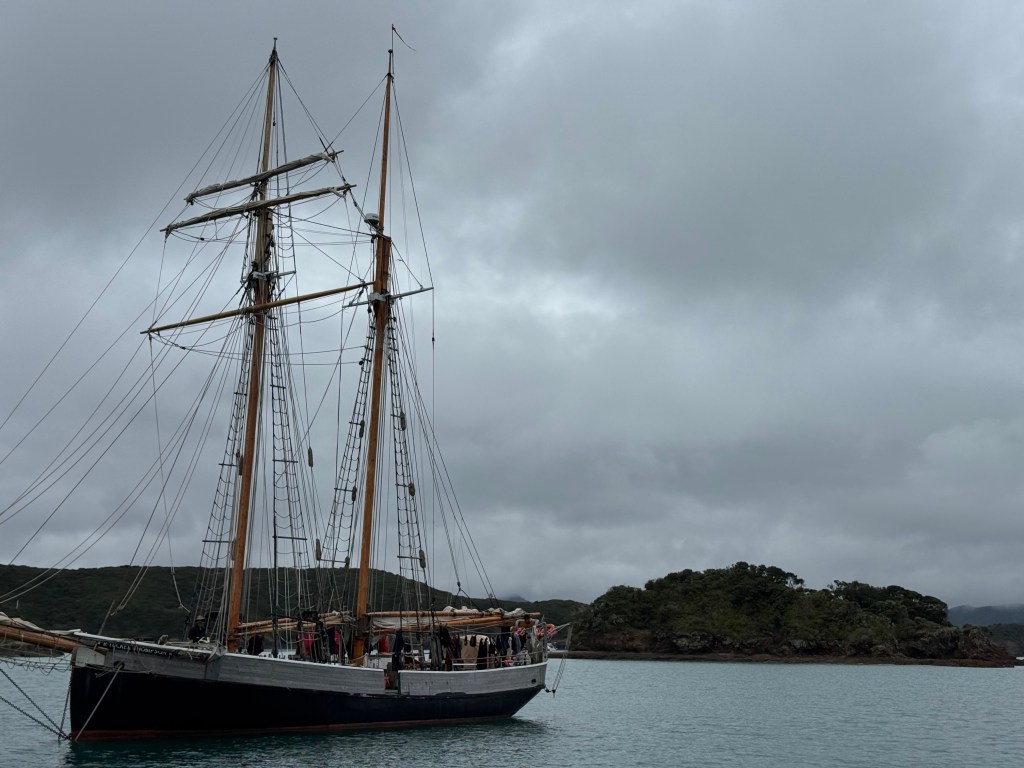
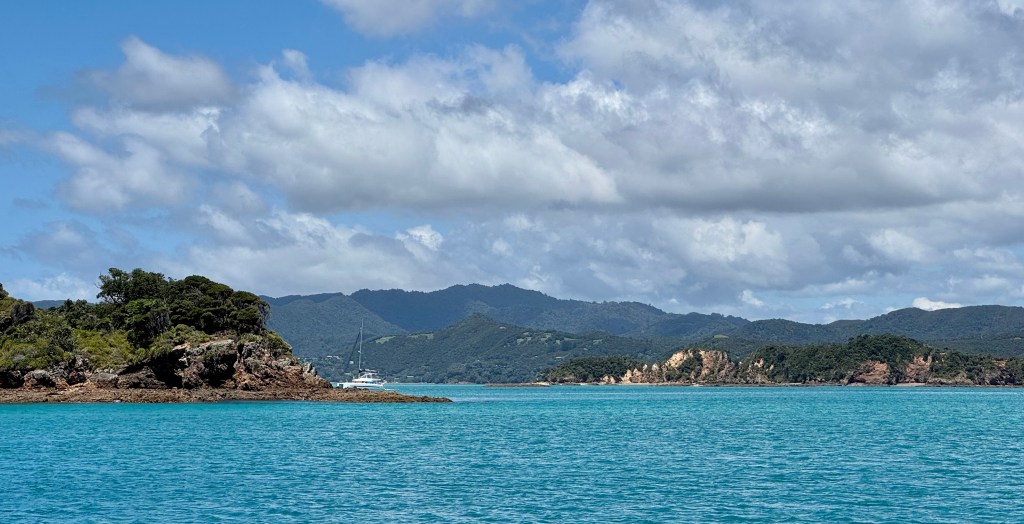
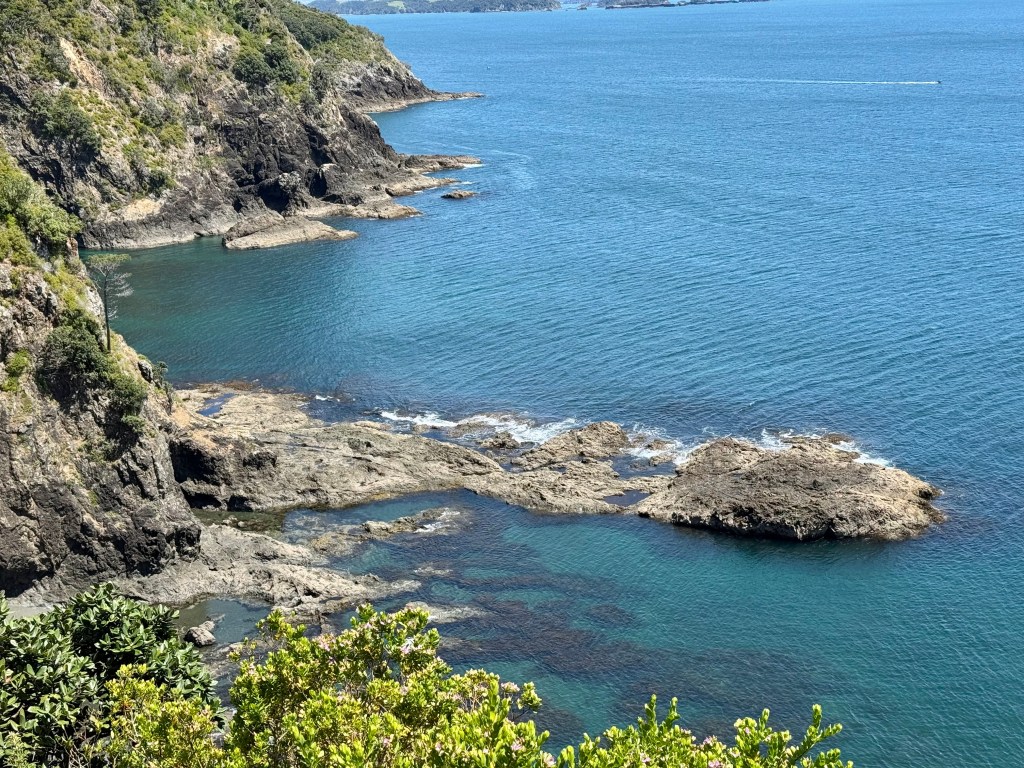
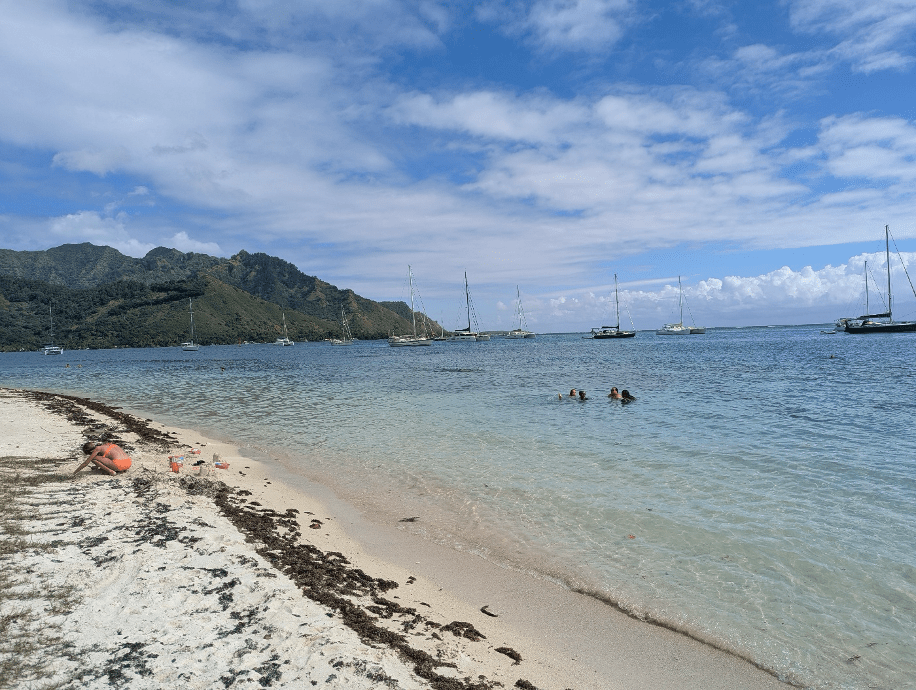
Our last night at anchor was in Otaio Bay, also known as Entico Bay. It’s a beautiful, secluded bay where the water is crystal clear and blue. It was a fun surprise to see the R. Tucker Thompson tall ship in the bay when we arrived. We enjoyed exploring this Island with longer hikes and lovely views.
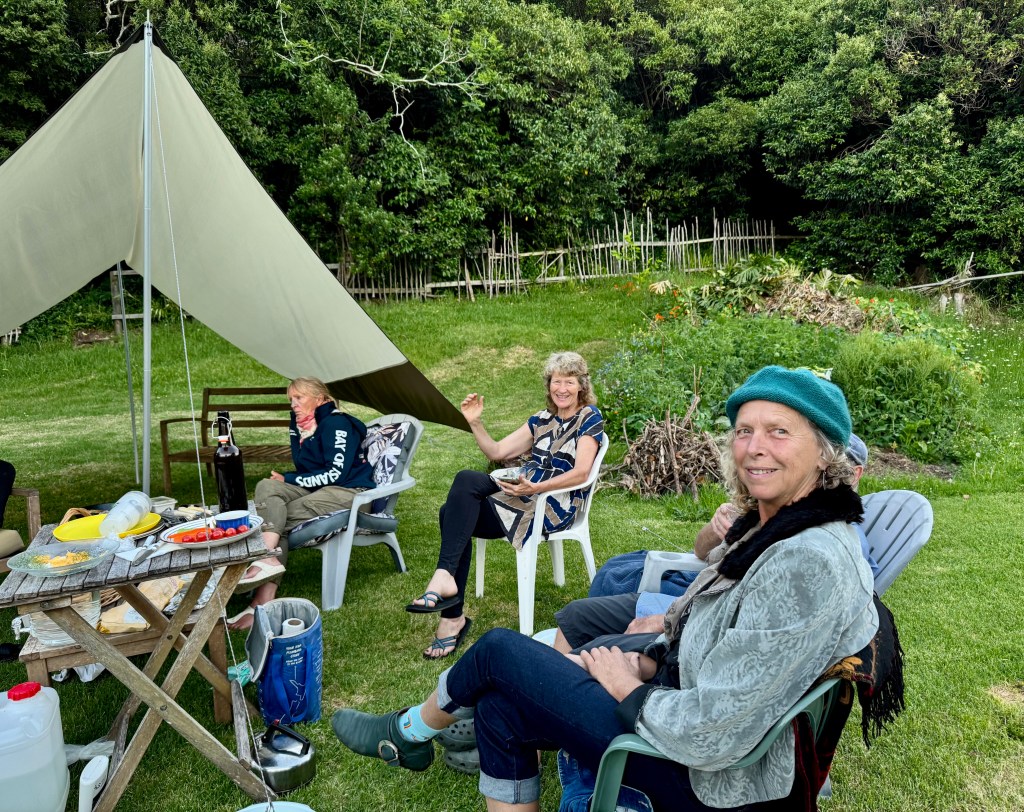
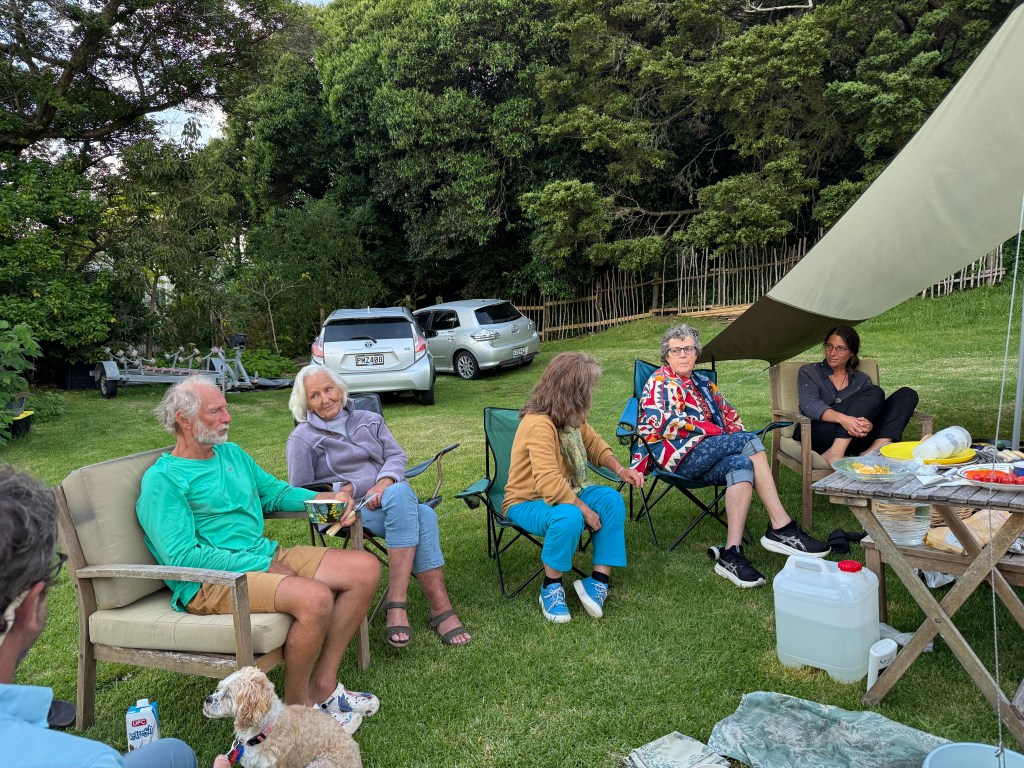
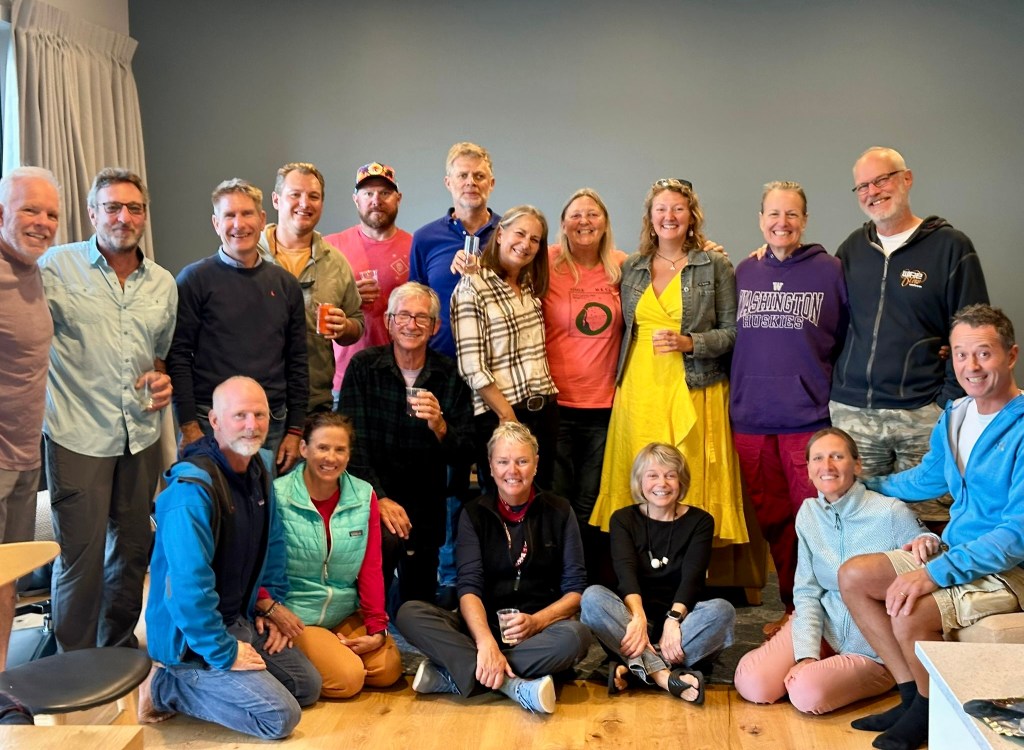
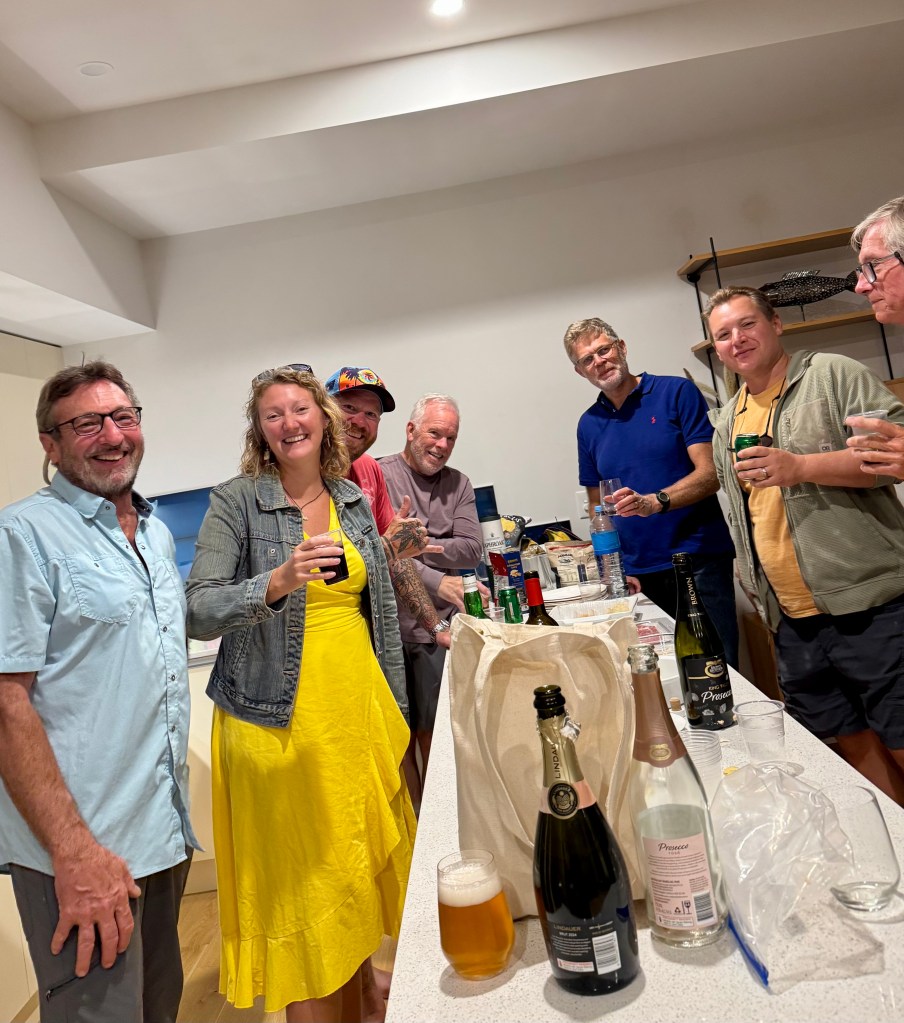
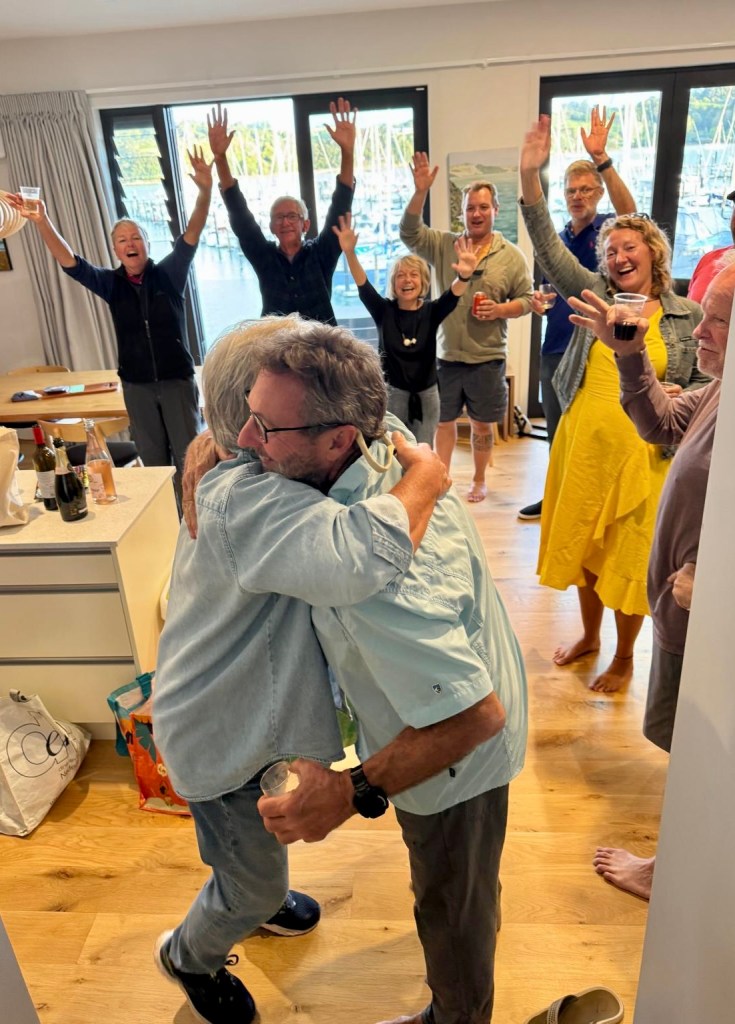
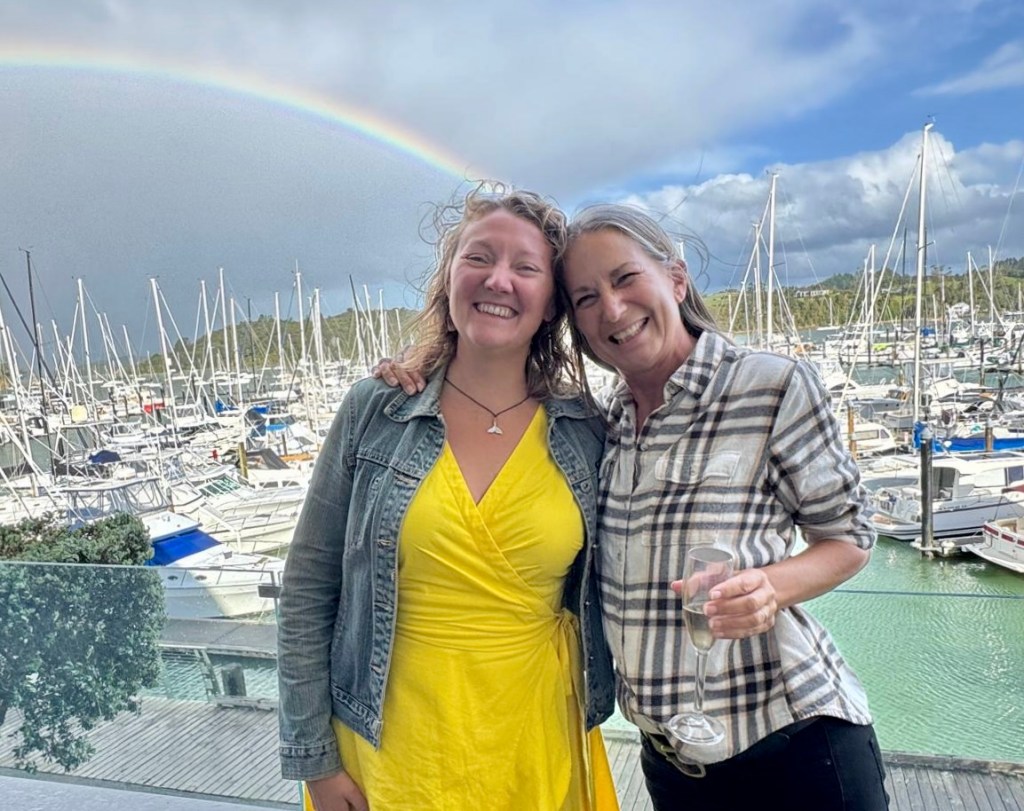
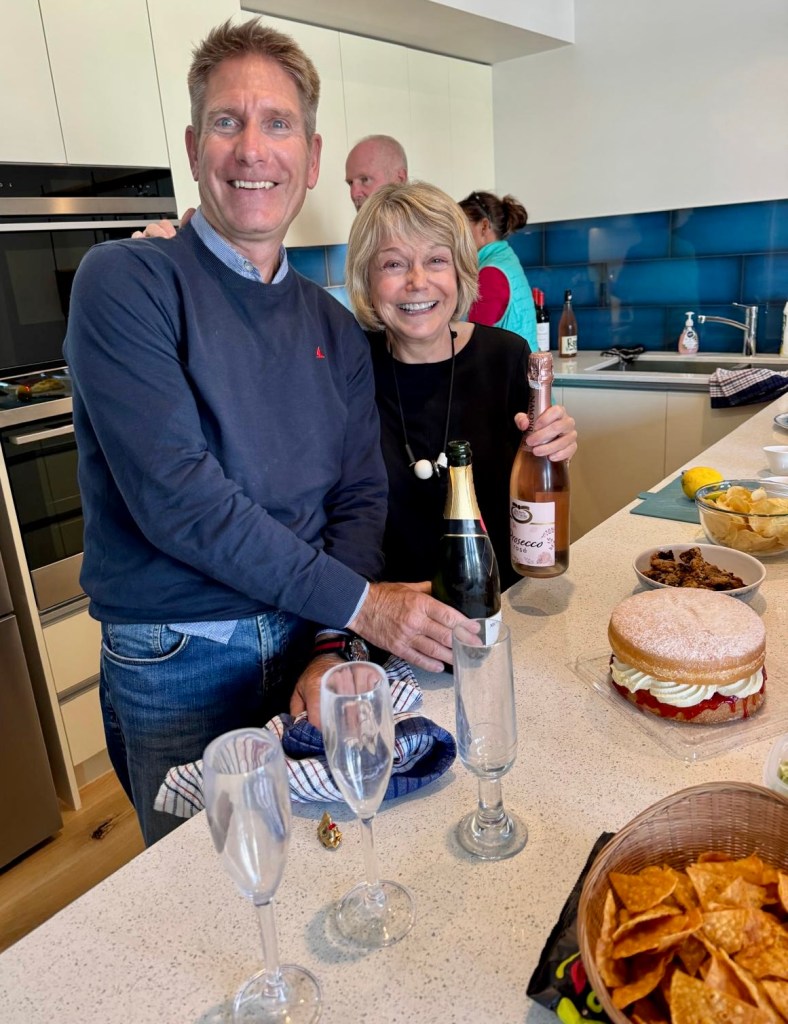
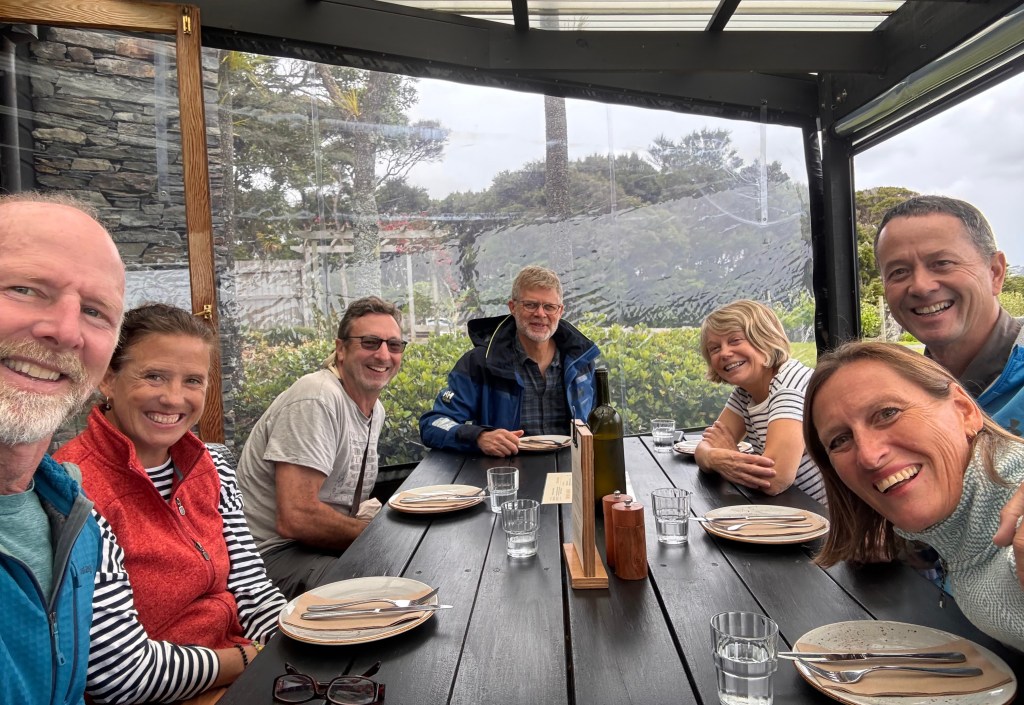
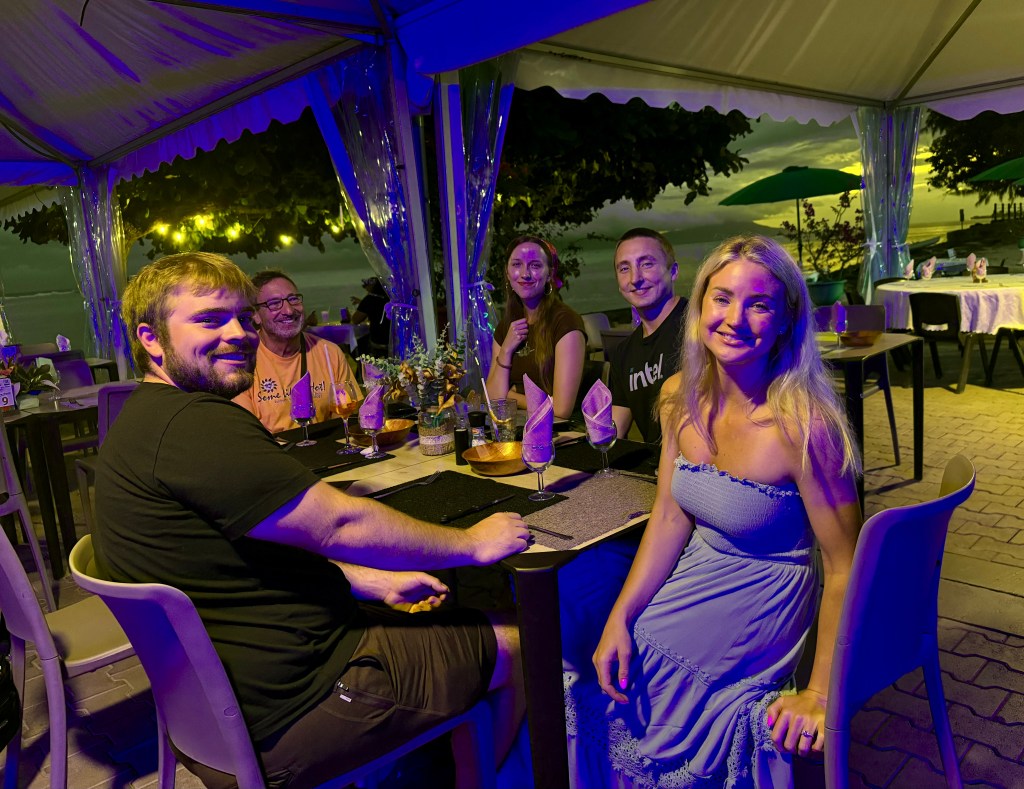
We were invited to a community dinner in Paihia by Kathy, our Kiwi friend, who gave me a ride from the bus stop. Everyone brought a dish to share and your own drinks if desired. There were several folks who were 1st and 2nd generational New Zealanders and one who was 6th generation. It was a nice evening with good conversation and lots of laughter.
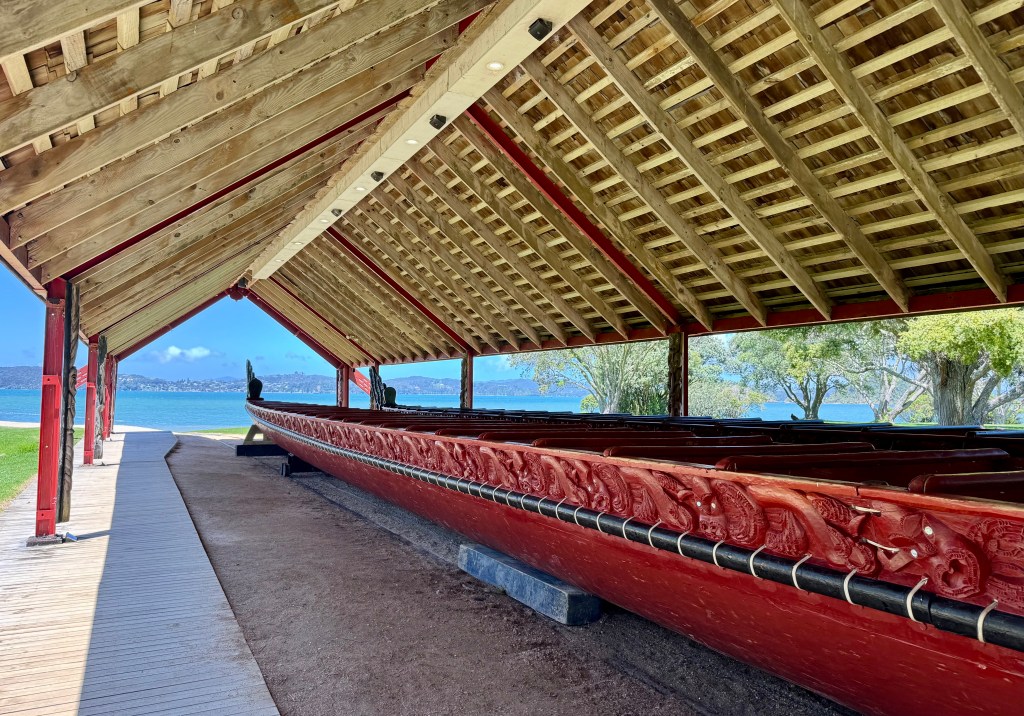
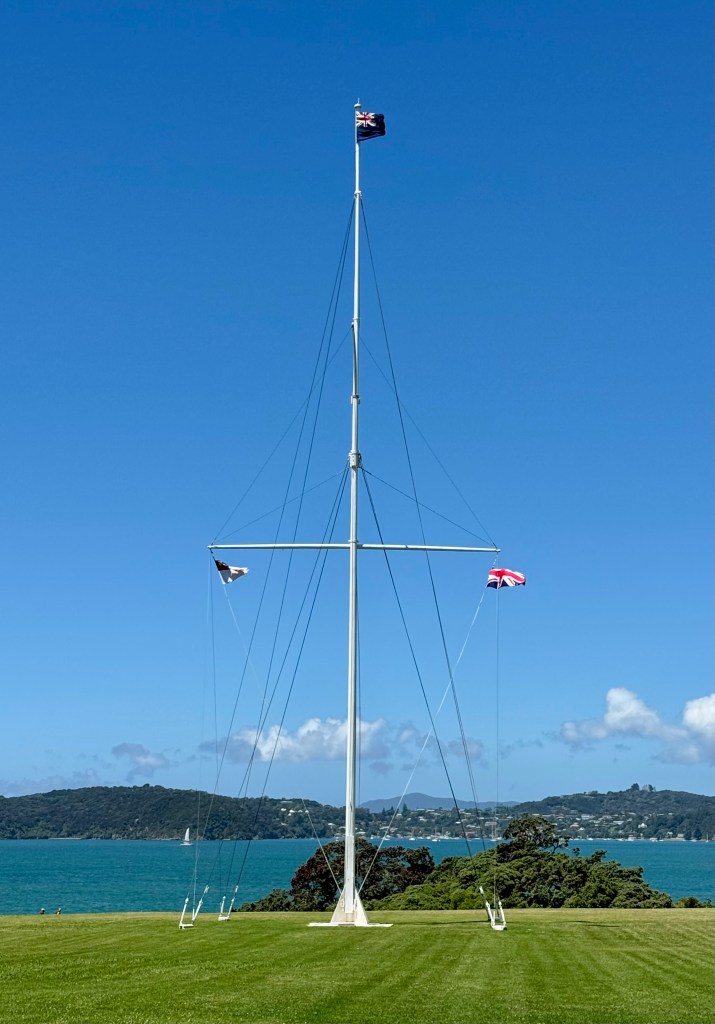
Another must see in New Zealand is the Waitangi Treaty Grounds. The Waitangi Treaty Grounds in the Bay of Islands are one of the most important historical sites in New Zealand because its where the Treaty of Waitangi was first signed in 1840, marking the country’s founding as a modern nation. The site is closely connected to key events before the treaty, including the residence of James Busby, the adoption of New Zealand’s first national flag, and the signing of the Declaration of Independence. Today, Waitangi remains a place of national commemoration and reflection on New Zealand’s identity.
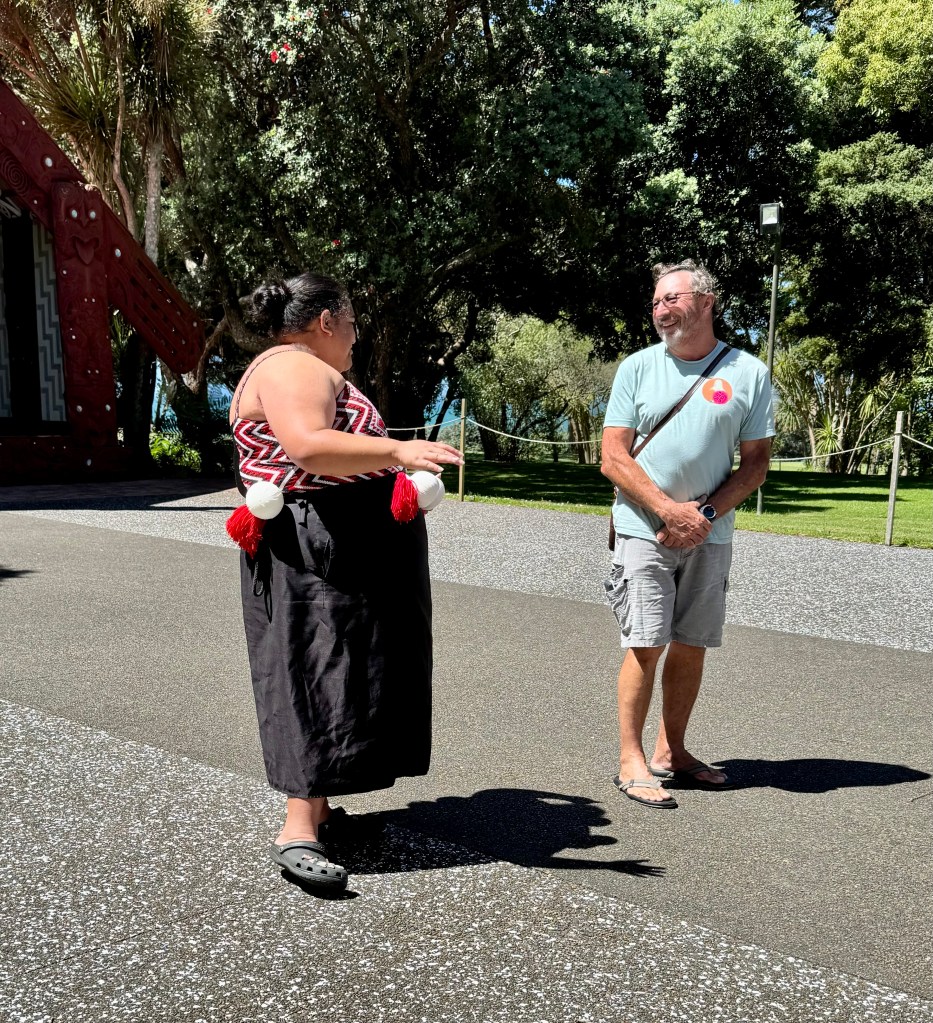
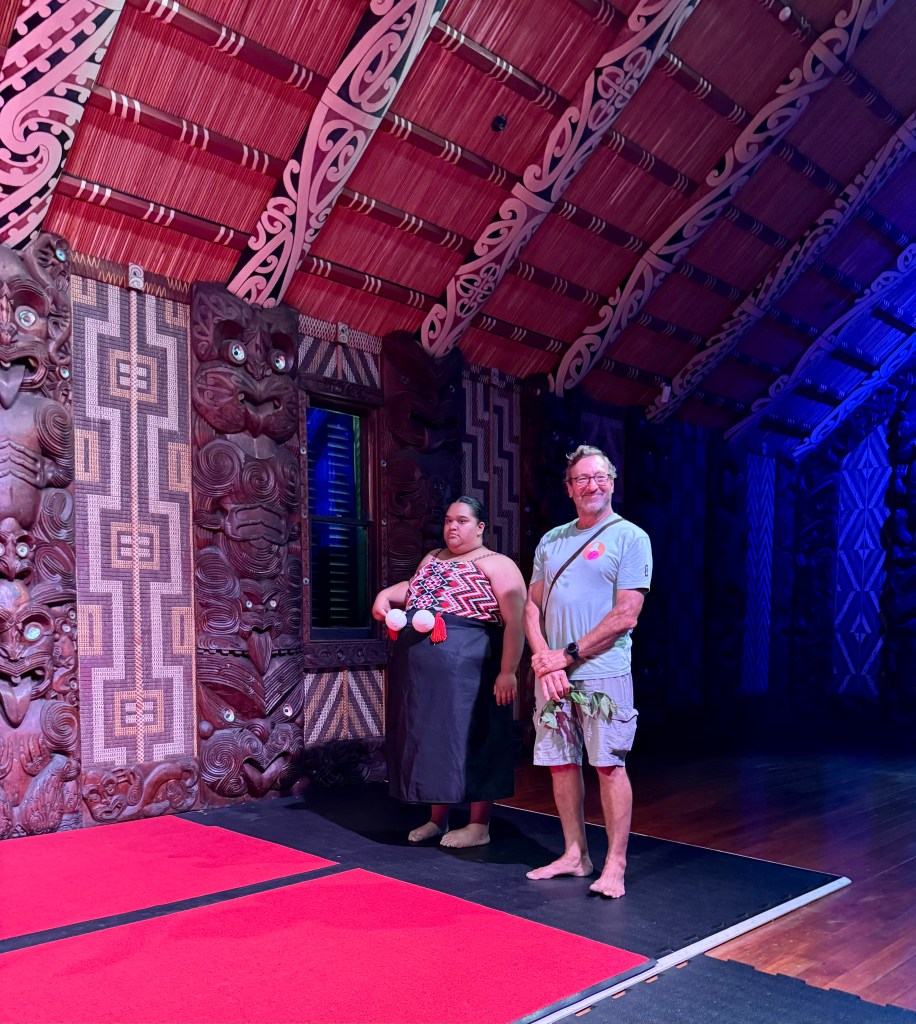
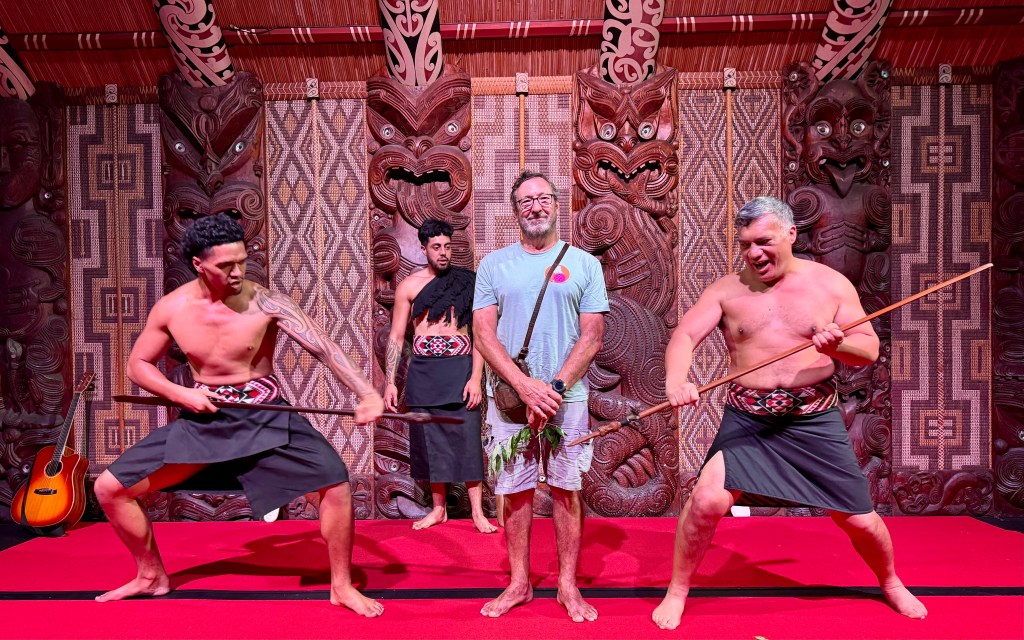
After the tour we headed to the cultural show for more education and entertainment. Our guide asked the audience if anyone would be interested in role playing a ‘Chief’ representing Great Britain. After a bit of silence, Tracy volunteered! The Chief of the Māori tribe gave him a peace offering along with a speech to welcome him. In return, acting as Britain’s chief, Tracy also gave a speech to the Chief and tribe. These rituals were done to establish prestige and authority, acknowledge their purpose and create a spiritual connection. It was interesting and educational with a bit of humor watching Tracy act out his role. The music and dancing was beautiful and felt authentic.
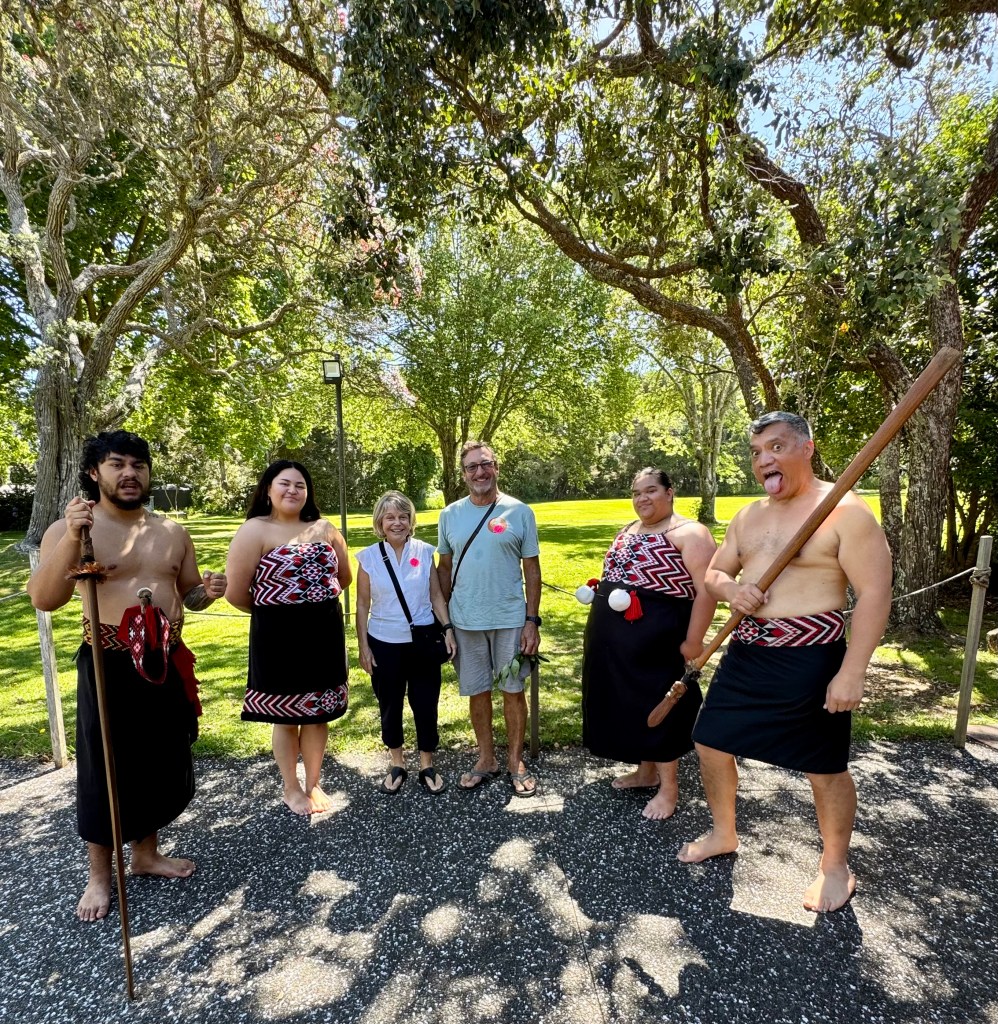
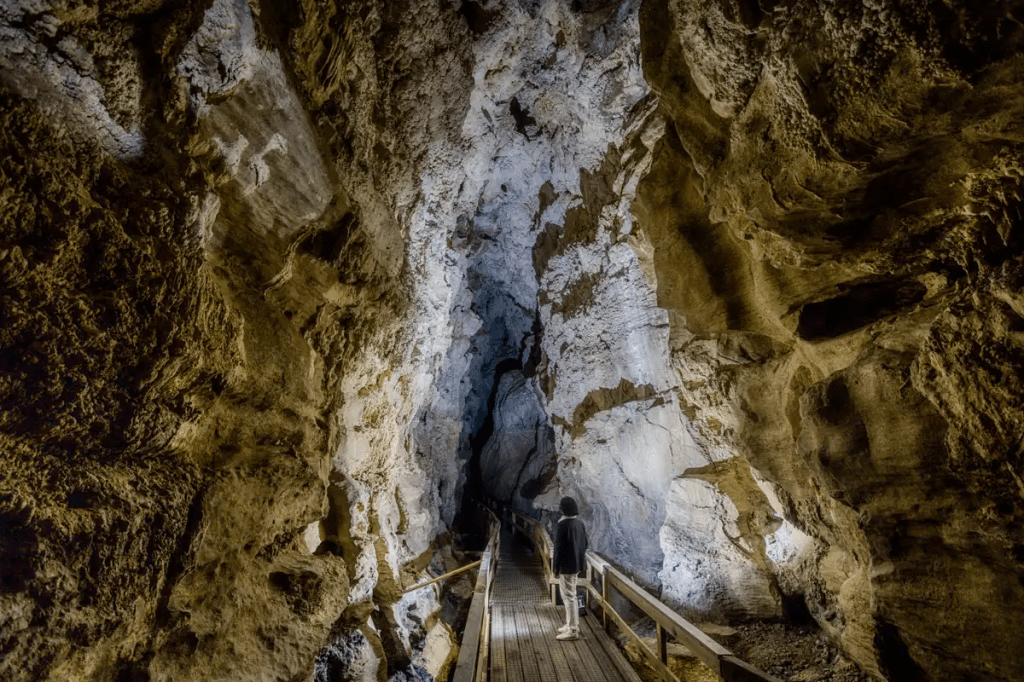
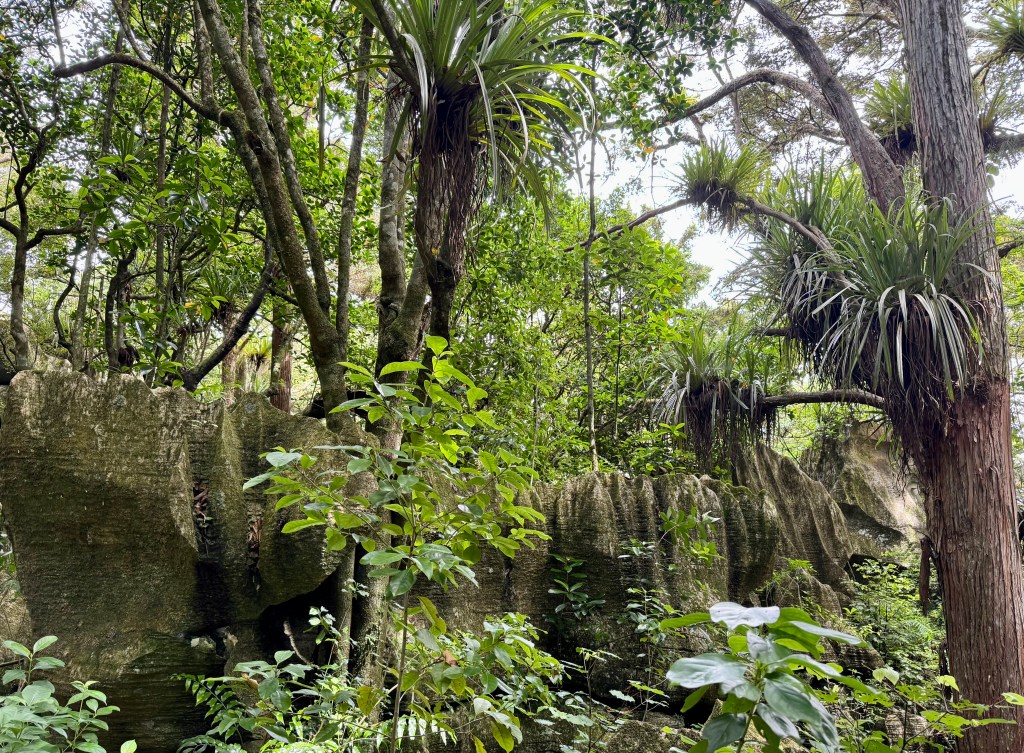
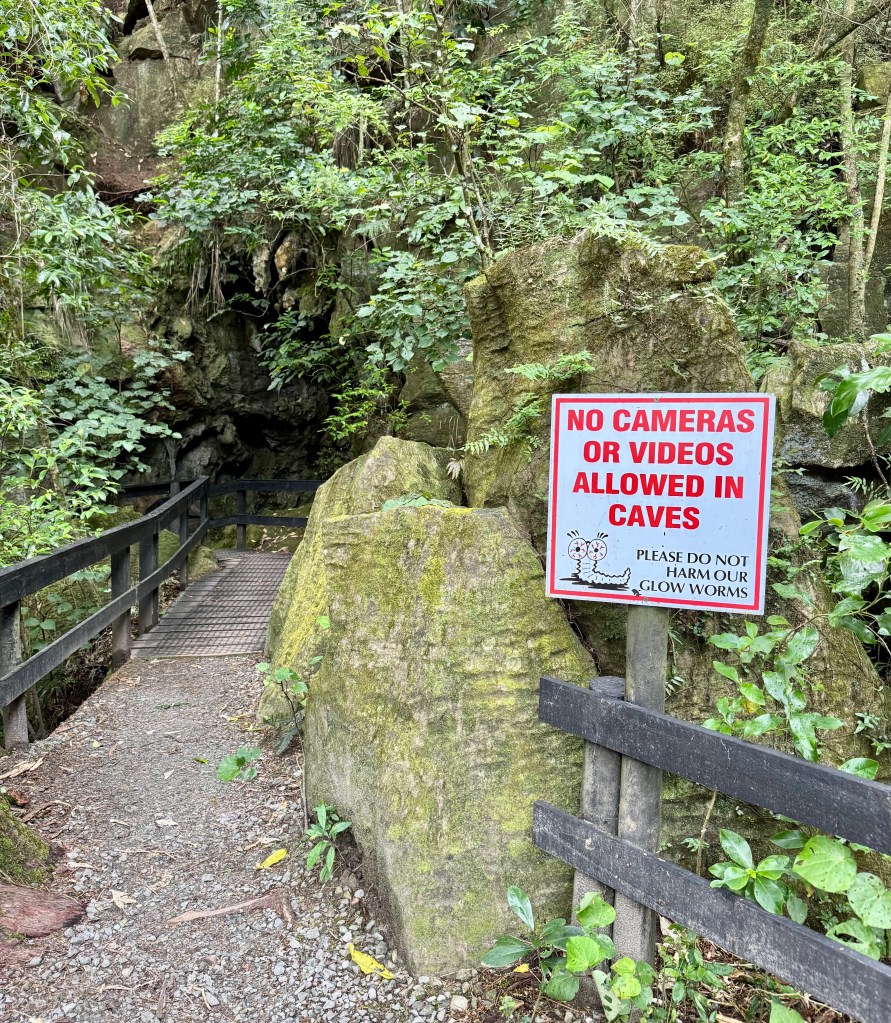
Kawiti Glow Worm Caves
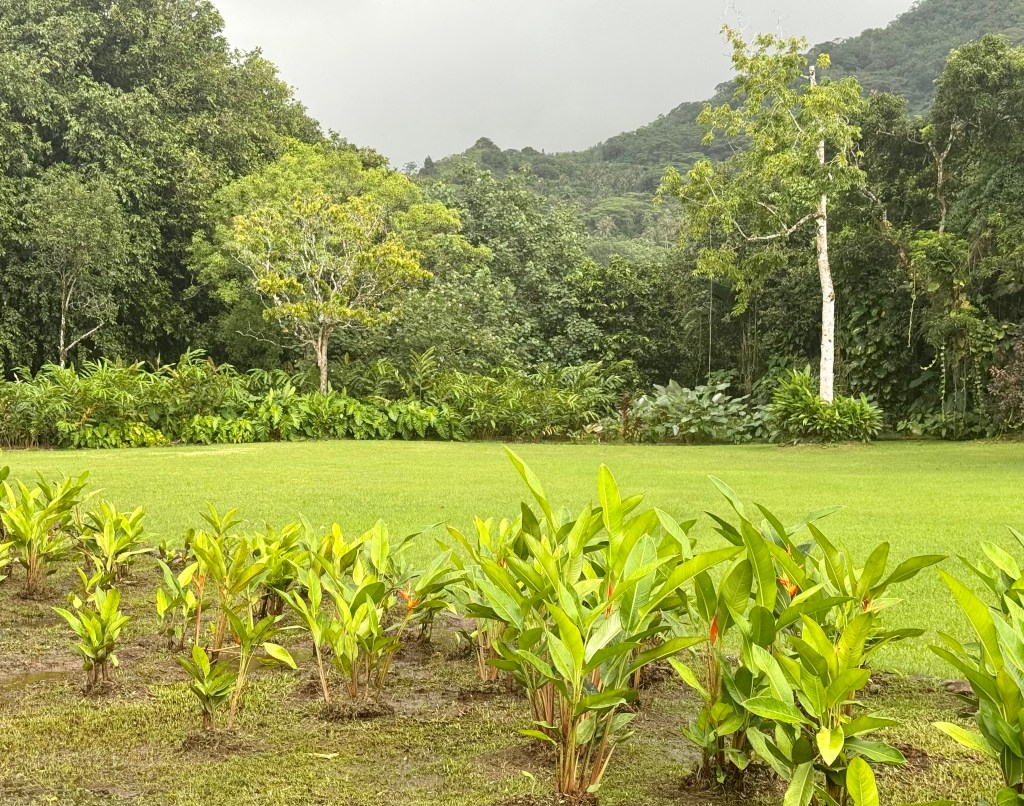
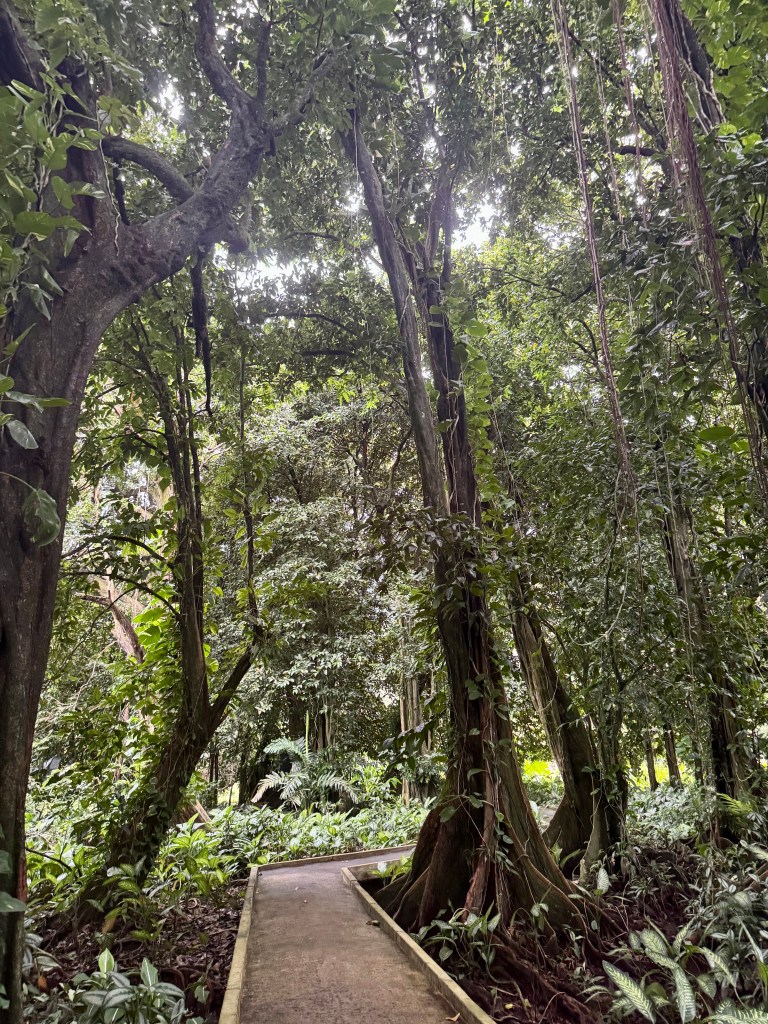
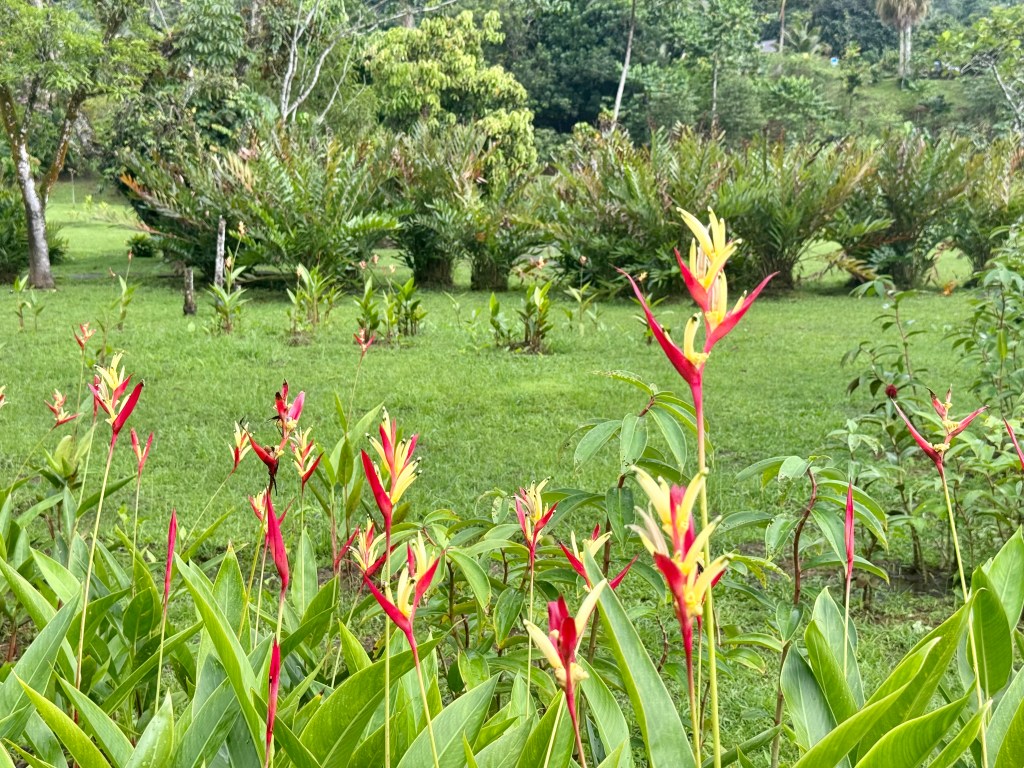
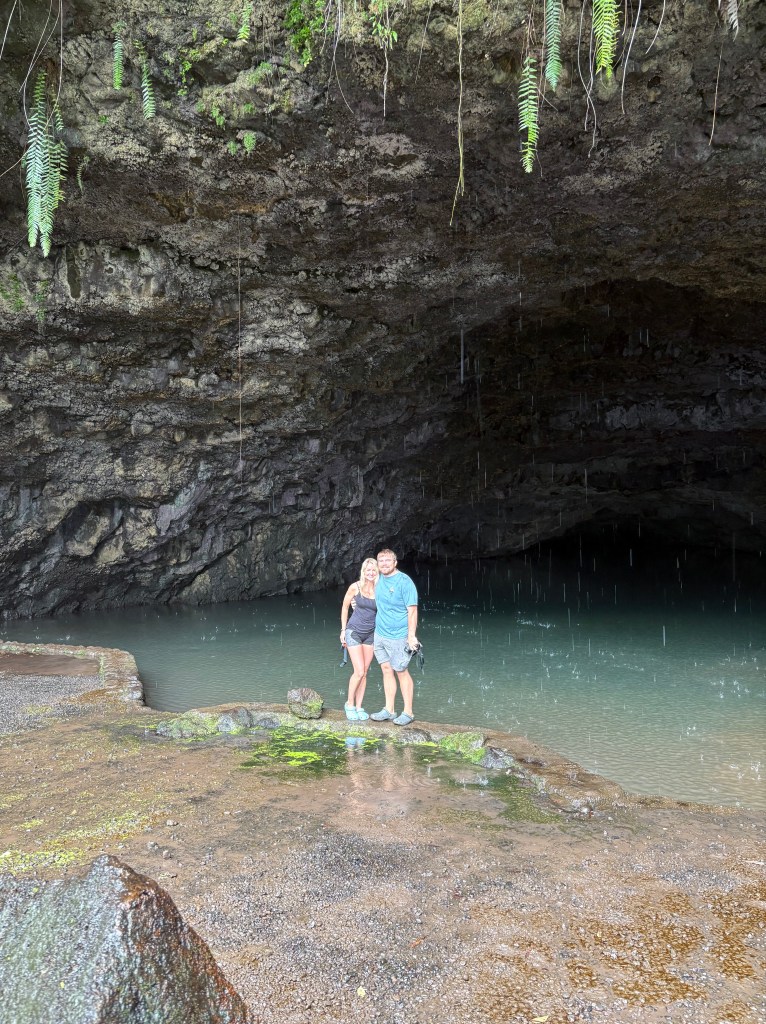
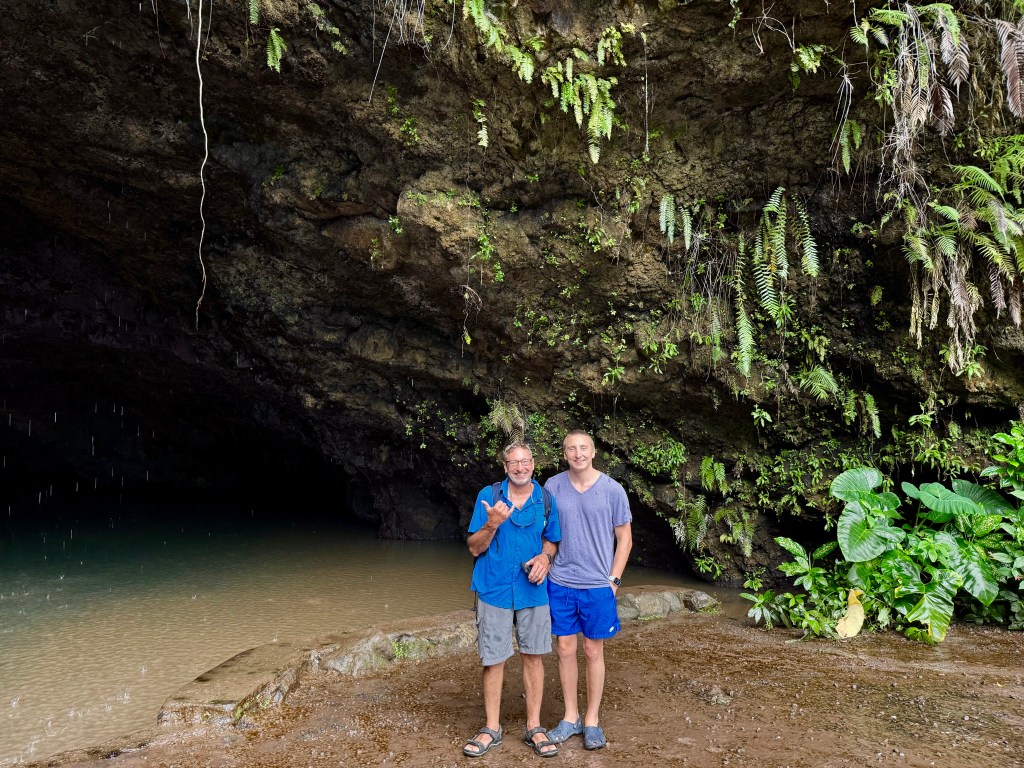
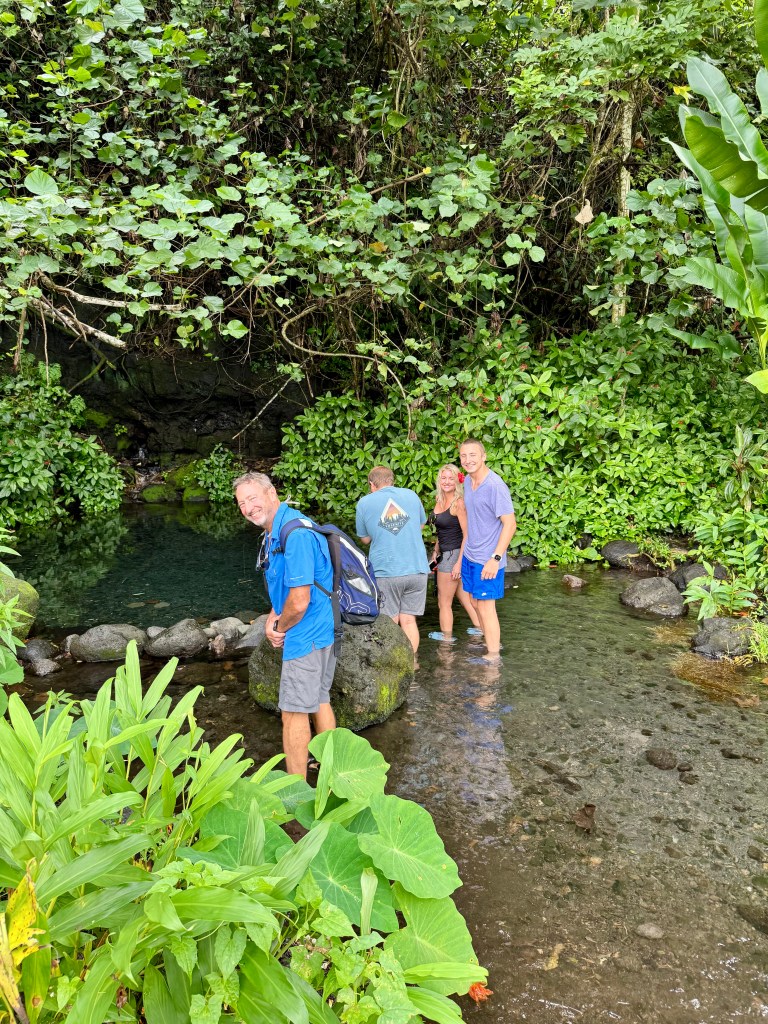
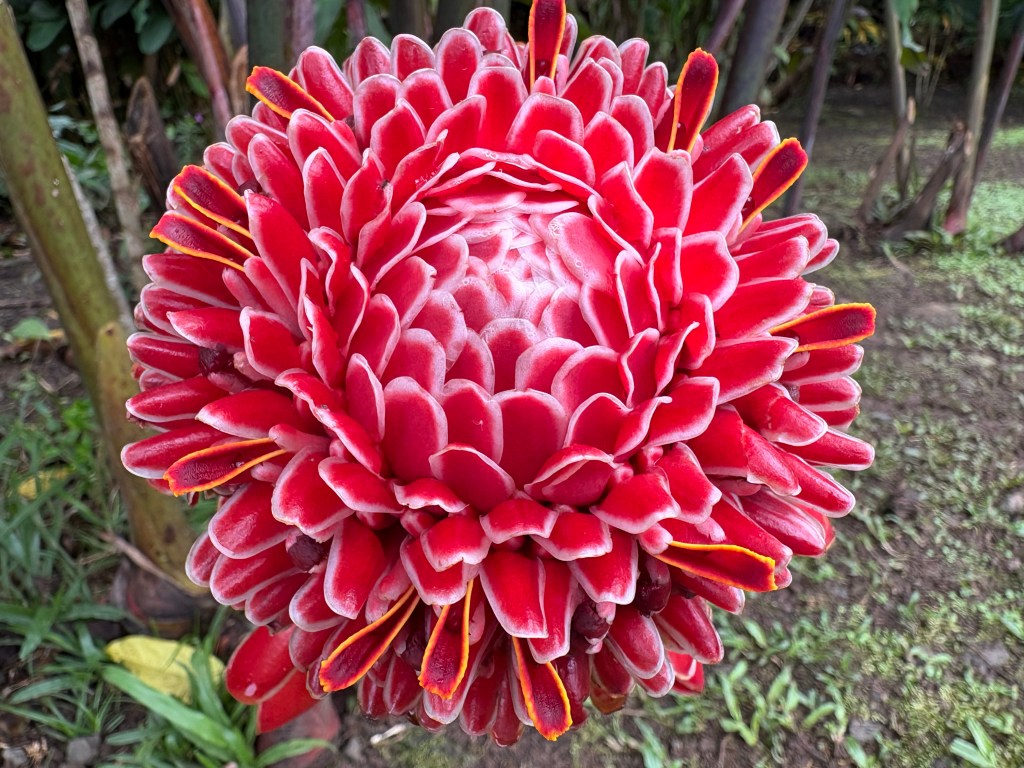
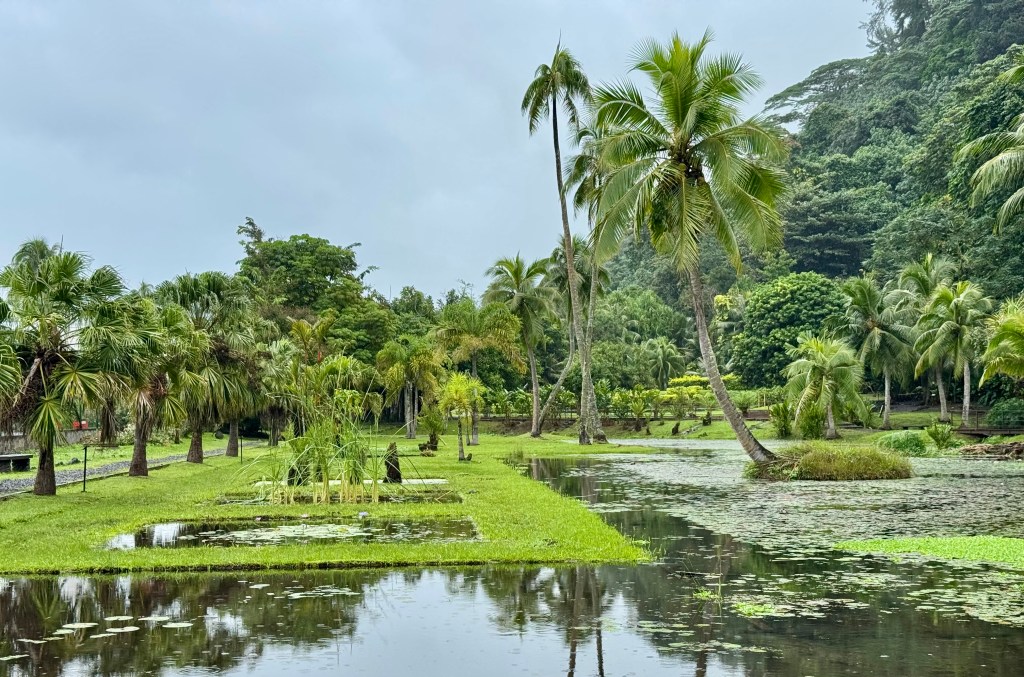
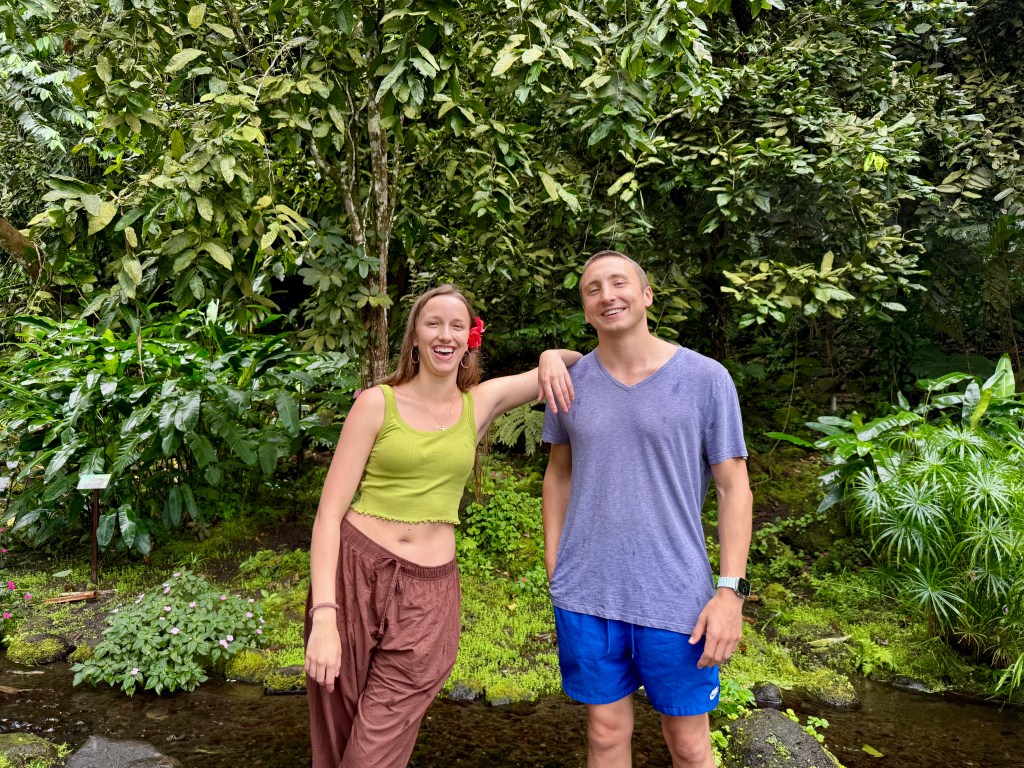
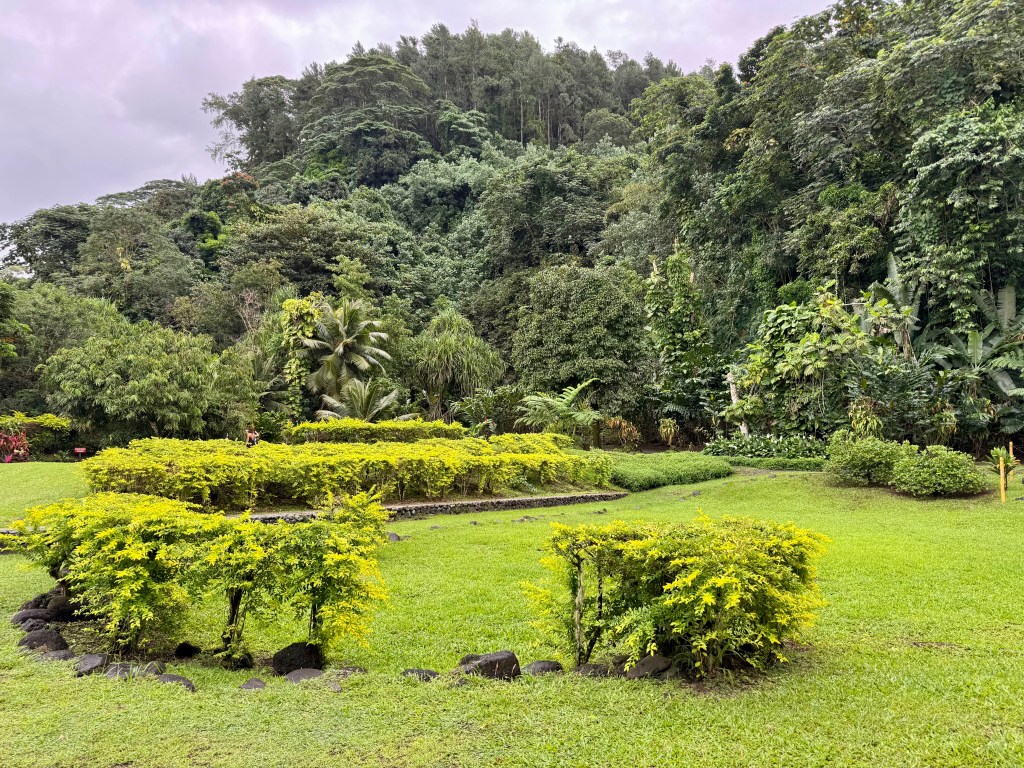
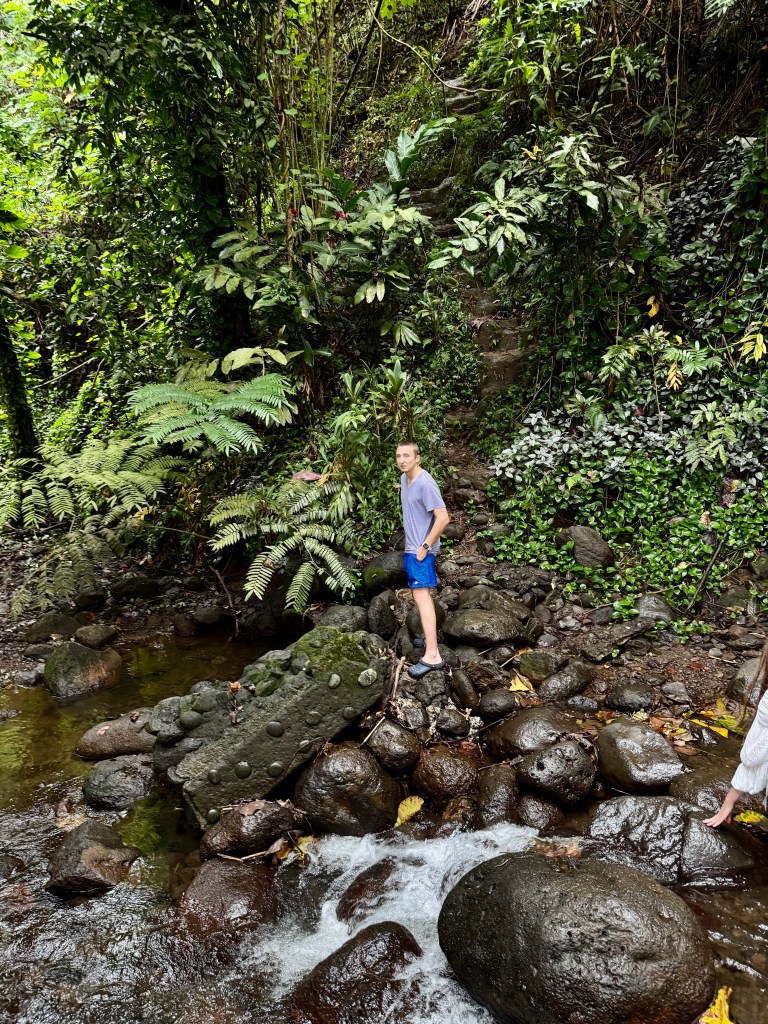
We visited the Kawiti Glow worm cave in the Waiomio Valley near Kawakaw in the Northland region of the North Island. Unfortunately, we were not allowed to take pictures inside the cave because it is considered sacred but we captured some photos around the grounds.
Glow worm caves are natural (or sometimes purpose-built) underground formations, famous in New Zealand and Australia, where thousands of bioluminescent glowworm larvae create a magical, starry night effect on cave ceilings. These tiny creatures, Arachnocampa luminosa, hang sticky threads to catch insects, and their collective blue-green light illuminates the dark, damp caves, offering a beautiful, underground spectacle.
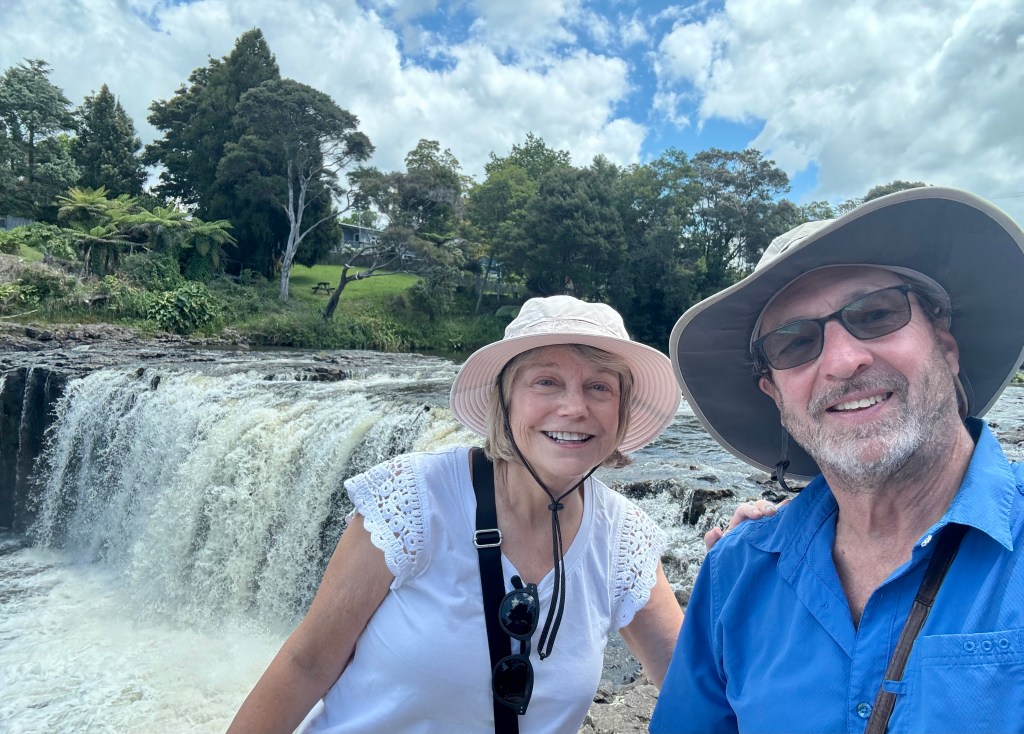
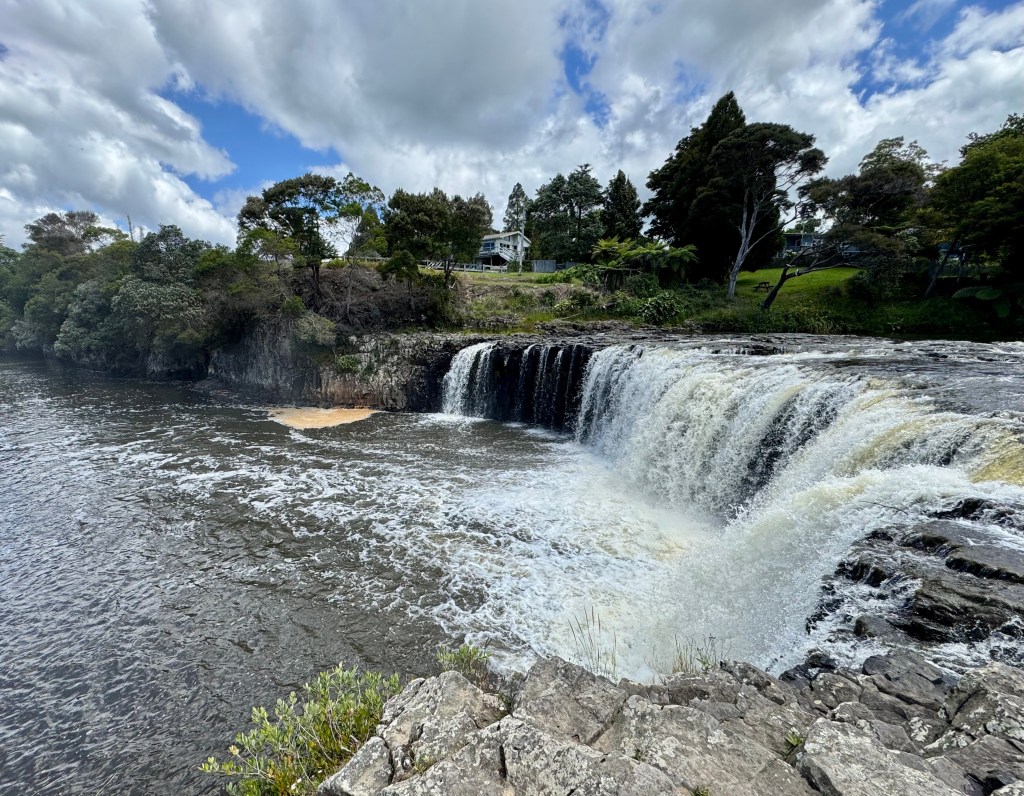
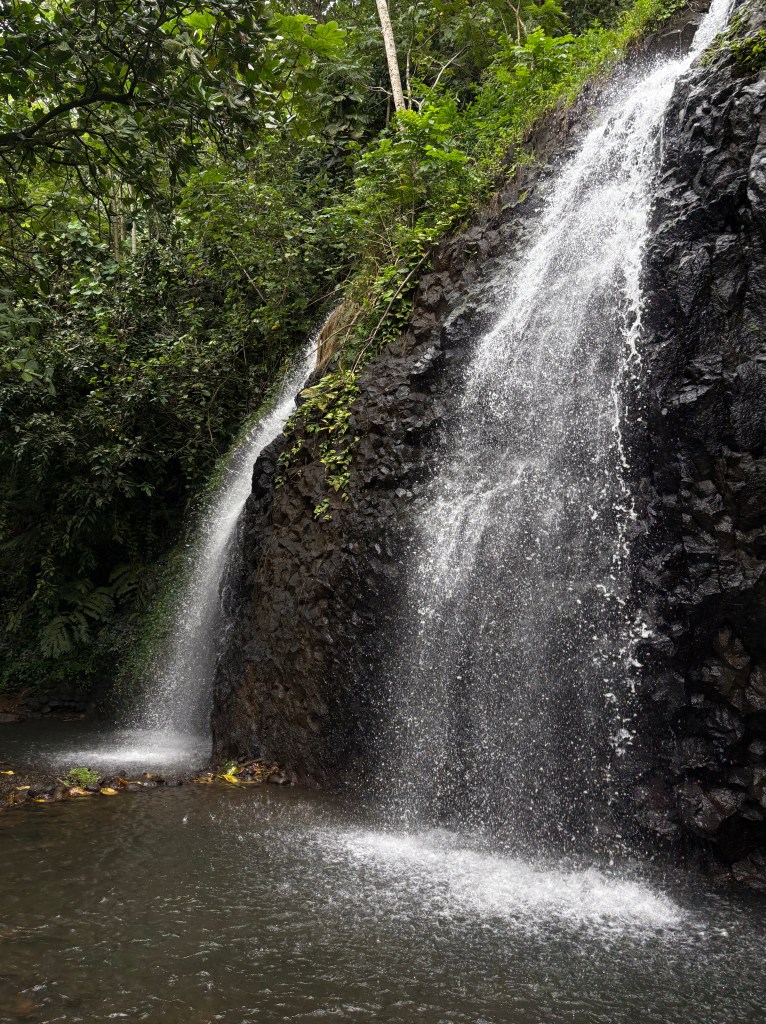
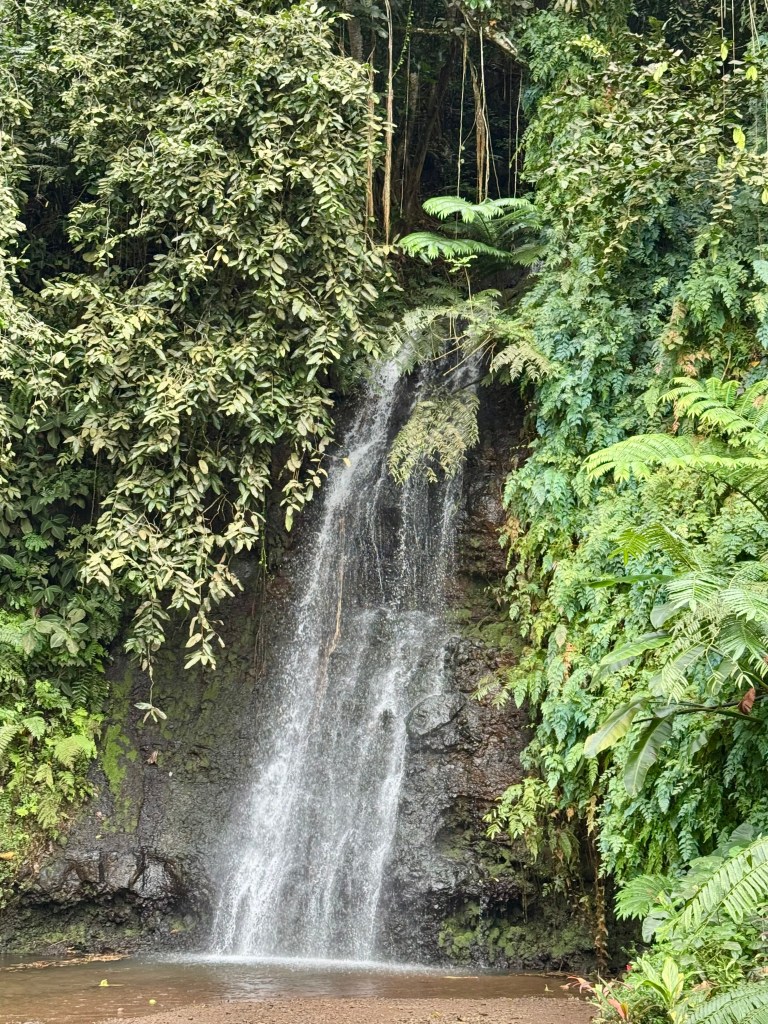
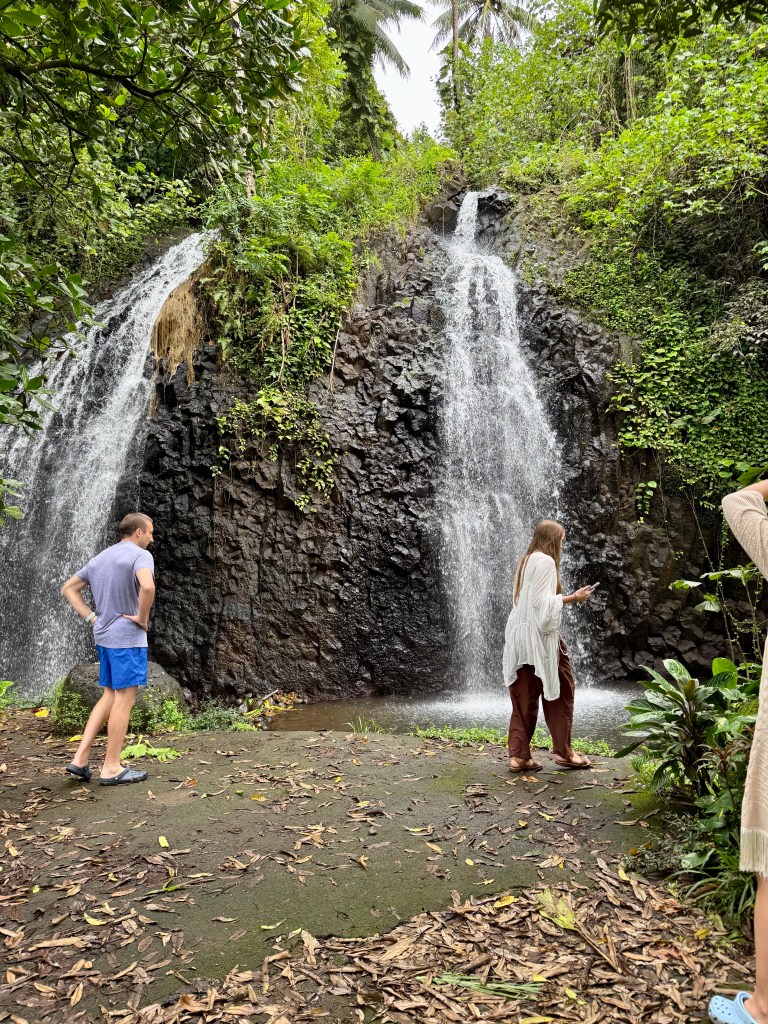
Last, we visited Haruru Falls, a 16-foot waterfall located near the settlement of Haruru in the Far North District of New Zealand. See photos below.
In the Māori language the word haruru means ‘continuous noise or roar’. The lagoon on the downstream side of the falls was New Zealand’s first river port, used by both Māori and early missionaries.




















 SV Quid Sea - Sailing with Tracy and Cindy